
Brain computer interface technology is moving from medical trials toward potential human enhancement, as companies race to develop implants that connect the brain directly to machines.
A recent commentary highlighted growing interest in implanting chips to improve memory, cognition, and productivity, driven by major technology firms and startups. The concept builds on existing medical uses, where implants already help patients with paralysis, Parkinson’s disease, and other neurological conditions.
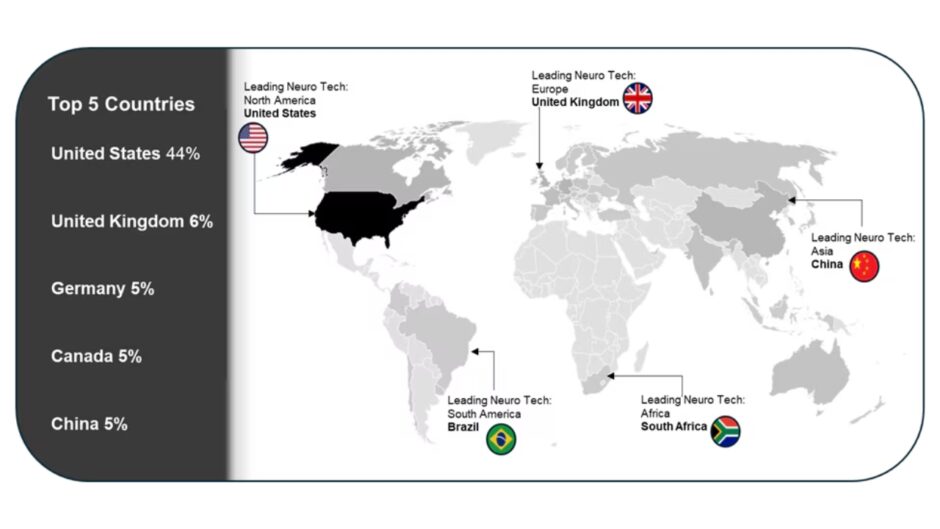
Startups and research groups are now pushing beyond therapy. Neuralink has begun human trials and plans high volume production of its devices in 2026. Patients with severe paralysis have already used the implants to control computers and digital tools using neural signals.
Synchron takes a less invasive approach with its Stentrode, i.e., a stent-like device inserted via the jugular vein and placed inside a blood vessel near the motor cortex. This endovascular method avoids open-brain surgery. As of early 2026, Synchron has FDA approval for its COMMAND early feasibility study and is preparing pivotal trials. The company has also partnered with NVIDIA for real-time neural processing and Apple for device integration. Synchron’s focus remains on restoring communication and motor function for patients with ALS, stroke, and spinal cord injuries.
Precision Neuroscience is developing a less invasive system that sits on the brain’s surface instead of penetrating tissue. Its device has been tested in more than 60 patients, focusing on restoring communication and motor control.
In China, companies such as NeuroXess and Neuracle Medical Technology are advancing rapidly with government support. A Chinese implant has already received commercial approval for treating paralysis, while early trials show patients controlling digital interfaces within days of surgery.
Pakistan is unique in this scenario as there is some academic work on BCI at universities like National University of Sciences and Technology (NUST), Lahore University of Management Sciences (LUMS) and Aga Khan University, but none have spun out into a startup developing implantable chips. The most these groups have done is published papers on EEG-based (non-invasive) BCI for basic applications like wheelchair control or spellers, or prosthetic limbs.
The brain-chip technology relies on implants that record and stimulate neural signals, allowing direct communication between the brain and external devices. This creates potential for both medical recovery and cognitive enhancement.
However, risks remain significant. Brain implants require invasive surgery and carry the possibility of infection, device failure, or long term neurological effects. Ethical concerns include data privacy, as neural signals could expose thoughts or intentions, along with the risk of unauthorized access or “brain hacking.”
Researchers also warn about social and economic implications. Enhanced cognitive abilities could create inequality between users and non users, while unclear regulations raise questions about accountability and consent.
Investment and clinical activity continue to grow, with trials expanding from small patient groups to broader testing. Industry reports indicate rising participation in human studies and increasing funding across the sector.
The rapid progress places brain computer interfaces at a turning point, where medical benefits are clear but broader use raises unresolved technical, ethical, and regulatory challenges.