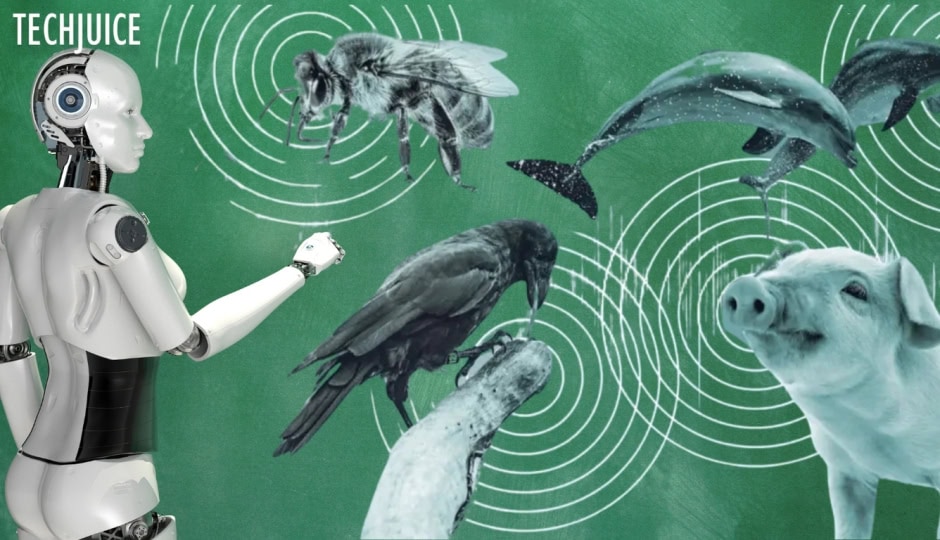
Researchers are making significant strides in training artificial intelligence (AI) systems to interpret animal emotions, a breakthrough that could transform animal welfare and veterinary care.
The scientific publication Science presents several global programs that use AI technology for animal pain diagnosis using automated face reading and observational pattern evaluation.
Intellipig is a scientific achievement developed collaboratively by academics at the University of the West of England Bristol and Scotland’s Rural College. Farms can spot discomfort signals on pigs using facial recognition picture processing, allowing farmers to intervene early in the course of their illnesses or anguish.
AI researchers at the University of Haifa have enhanced the dog-owner facial recognition software, which was previously used as a missing pet reunion system. The new study use AI technology to detect dog pain since dogs exhibit facial factors that overlap 38% with human facial signals.
At the University of São Paulo, researchers employ artificial intelligence technology to assess pain levels in horses. The system received photographs before and after surgery, as well as post-anesthesia images, to teach it to detect the three most significant facial aspects of dog faces: eyes, ears, and mouth movements. The AI obtained 88% accuracy in recognizing pain indications using autonomous operations.
Research initiatives have made tremendous progress in improving animal welfare standards. The deployment of AI-based emotion detection would empower veterinarians, farmers, and pet owners by allowing them to understand animal discomfort, boosting the quality of service provided to livestock and pets.
As AI continues to evolve, researchers anticipate broader applications in animal behavior monitoring, with potential benefits extending beyond veterinary care to wildlife conservation and ethical farming practices.