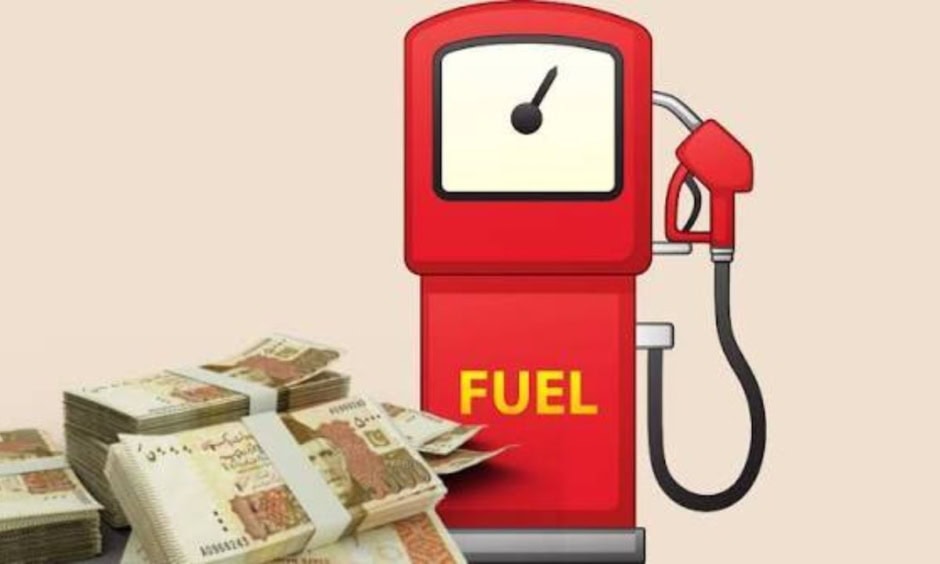
The federal government has yet to reinstate austerity measures aimed at curbing fuel consumption and reducing public expenditure, despite continued increases in petrol and diesel prices.
According to official sources, fuel allocations for government vehicles remain unchanged, while no new policy has been announced to restrict public spending. Authorities are reviewing options to reduce costs but have not yet restored the austerity measures withdrawn in June.
The latest increase in petroleum prices has added further pressure, with petrol becoming Rs4.42 per litre more expensive and high-speed diesel (HSD) rising by Rs6.10 per litre from Tuesday, marking the sixth consecutive hike.
Earlier, the government reversed a 50 percent cut in fuel allocations for official vehicles and lifted restrictions that had kept 60 percent of departmental transport off the roads. It also withdrew the additional weekly holiday introduced under the austerity plan, restoring the five-day working week.
Other measures that were rolled back included a two-day salary deduction for officers in Grade 20 and above, a 20 percent reduction in departmental expenditure, and a ban on foreign travel for ministers, advisers, special assistants and governors.
The administration also removed a requirement limiting office attendance to 50 percent of staff in public and private sector institutions, except for essential services.
Sources said rising fuel costs are putting additional pressure on government finances, but no fresh austerity package has been announced so far.
Meanwhile, the Khyber Pakhtunkhwa government has introduced a separate fuel-saving measure, ordering public and private educational institutions across the province to remain closed every Friday and Saturday for the next two months.
The Education Department issued the directive following instructions from the provincial cabinet, while classes will continue normally during the remaining five days of each week.
The decision is aimed at conserving fuel and easing pressure on the transport sector, which has been affected by shortages disrupting the daily commutes of students, teachers and other staff.
Officials expect the shortened school week to reduce fuel consumption linked to daily transportation without significantly disrupting the academic calendar.
The revised schedule applies uniformly to all public and private schools, colleges and other educational institutions across Khyber Pakhtunkhwa, with no exemptions announced under the directive.