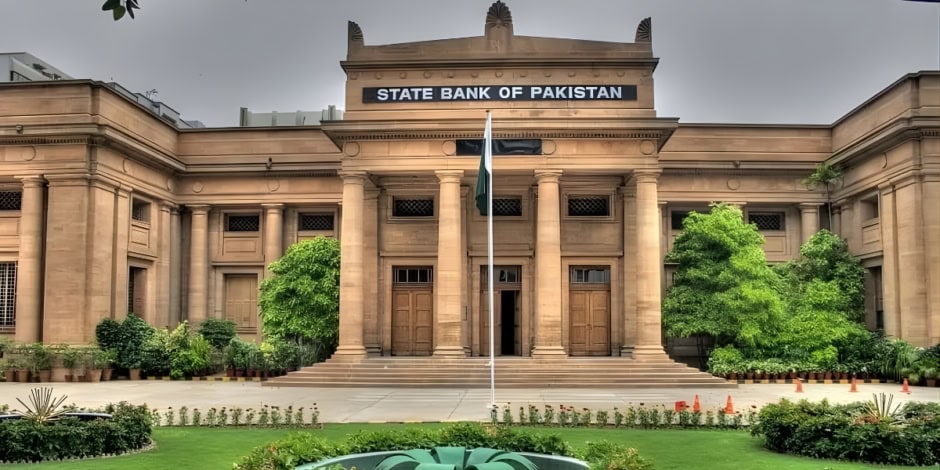
Pakistan’s central bank took a landmark step on April 14, formally ending an eight-year prohibition on crypto-related banking. The State Bank of Pakistan issued BPRD Circular Letter No. 10 of 2026, allowing regulated financial institutions to open and maintain bank accounts for virtual asset service providers that hold a valid No Objection Certificate or full license from the Pakistan Virtual Asset Regulatory Authority. The circular replaces the 2018 directive that had blocked banks from processing any transactions linked to virtual assets.
The SBP issued BPRD Circular Letter No. 10 of 2026 on April 14, addressed to the presidents and chief executives of all SBP-regulated entities. The circular formally replaces BPRD Circular No. 03 of 2018, dated April 6, 2018, which prohibited dealing in virtual currencies and tokens. The new instructions take effect immediately.
Under the circular, regulated entities may now open bank accounts for firms that hold a valid PVARA license. Before onboarding any virtual asset service provider, banks must obtain and retain a copy of the firm’s PVARA license and independently verify its authenticity directly with PVARA. Banks are also required to open separate Client Money Accounts for settlement of authorized transactions. These accounts must be PKR-denominated, non-remunerative, and kept strictly segregated from all other accounts. Cash deposits and withdrawals are not permitted in these accounts, and funds held in them cannot be used as collateral or to extend any form of credit to the virtual asset firm.
The circular also allows banks to open limited-purpose accounts for firms that hold a No Objection Certificate from PVARA, enabling those companies to complete the formalities required to obtain a full license. However, virtual assets-related transactional activity is only permitted once a full license is granted by PVARA. Regulated entities are explicitly prohibited from investing, trading, or holding virtual assets using their own funds or customer deposits.
On the compliance side, banks must conduct thorough due diligence on every virtual asset service provider they onboard, including understanding the firm’s business model, customer base, onboarding processes, and geographic operations. Each bank must also update its Customer Risk Profiling model to account for the specific risks posed by virtual asset firms and maintain ongoing monitoring of those relationships, reporting any suspicious transactions to the Financial Monitoring Unit under the Anti-Money Laundering Act, 2010.
The shift follows Parliament’s passage of the Virtual Assets Act, 2026 in March, which converted PVARA from a temporary presidential body into a permanent statutory regulator. Pakistan ranks among the world’s largest crypto markets by retail participation, with an estimated 40 million users and annual trading volumes exceeding $300 billion.
Major global exchanges including HTX and a second large platform received preliminary No Objection Certificates from PVARA in December 2025. Neither is yet authorized to operate commercially in Pakistan, but both can now begin working toward formal banking access under the new rules.