Discord will automatically determine user ages using behavioral analysis technology. The platform announced it will assign users to either adult or teen categories. This approach abandons controversial face scan and ID verification methods Discord originally planned. The new system analyzes account behavior patterns to estimate user ages accurately.
The behavioral system works by examining how users engage on the platform. Factors include community participation, interaction patterns, and overall usage frequency. Discord reasoned that typical fifteen-year-olds and thirty-year-olds use the platform differently measurably. These aggregate behavior differences allow accurate age estimation without collecting personal data.
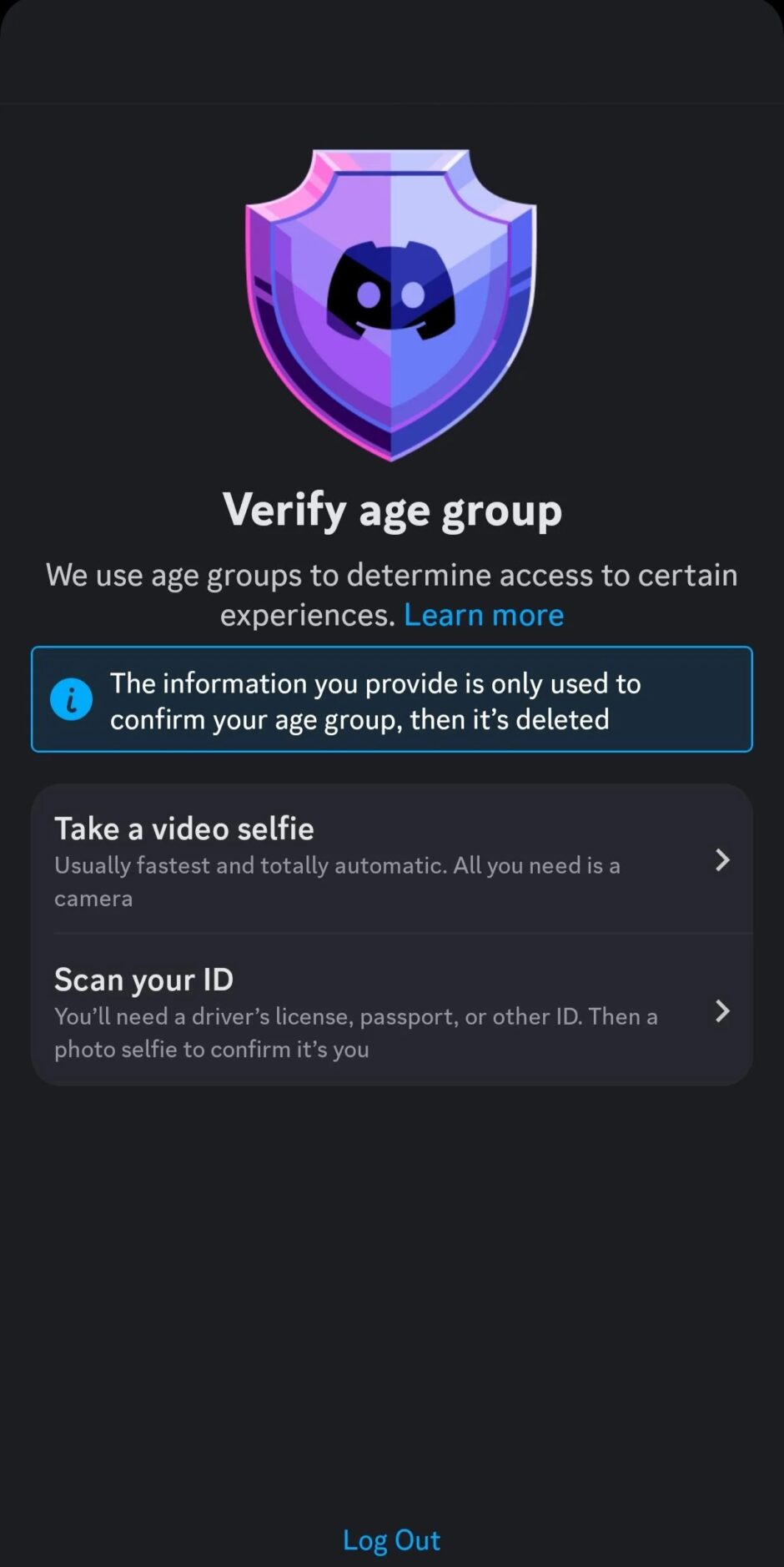
Users categorized as adults can access age-restricted content on Discord. However, teenagers face content restrictions limiting exposure to adult material. This tiered approach protects younger users from harmful content effectively. Discord previously planned to require either face scanning or driver’s licenses. Users objected strongly to these invasive verification methods in February. The backlash forced Discord to reconsider its age verification strategy fundamentally.
That decision proved wise given a data breach in October 2025. Discord’s third-party age verification vendor got hacked then. Seventy thousand users had their identification documents exposed through the breach. This incident validated concerns about storing sensitive personal information. Behavioral analysis avoids this risk by not collecting IDs or license details.
Discord will still require manual verification in certain situations. Users assigned to the teen category who claim to be adults need verification. Additionally, users in Australia and United Kingdom face stricter requirements. These countries have laws mandating stepped-up age assurance methods specifically. Manual verification uses the traditional ID and payment card approaches there.
The rollout addresses global momentum toward internet age-gating requirements as lawmakers worldwide increasingly push for age verification and social media bans. Discord’s behavioral system represents a privacy-conscious middle ground approach, while claiming to protect young users without creating new data breach vulnerabilities simultaneously. However, would that be enough to satisfy everybody? Some users on Reddit think not.
Comment
by
u/btcll from discussion
in
discordapp
Behavioral analysis carries significant algorithmic flaws that Discord hasn’t addressed publicly. Just as users explain, the system could misclassify users systematically based on cultural usage patterns and regional demographics.
Teenagers in Pakistan, India, and Southeast Asia may use Discord differently than Western teens. These regional differences could trigger incorrect adult classifications for young users. Furthermore, highly engaged teenagers could appear as adults through community participation levels. Conversely, reserved adults might get wrongly classified as teens.
Discord also lacks transparency about algorithmic decision-making processes. Users cannot appeal or challenge their assigned age categories currently. This opacity prevents meaningful accountability for classification errors.
Additionally, behavioral analysis still represents mass surveillance of user activity to some users, despite avoiding ID collection. Discord now monitors individual behavior patterns continuously to estimate ages algorithmically. This constant tracking creates a detailed behavioral profile of every user silently. Such surveillance raises questions about data retention and secondary use of behavioral data. Discord could theoretically use these profiles for targeted advertising or other commercial purposes later. The privacy tradeoff simply shifts from biometric data collection to behavioral surveillance instead.
There is a higher than likely chance that many users will not understand that Discord is profiling their activity for age determination purposes. This hidden layer of surveillance may prove more invasive than the face scan controversy that preceded it.