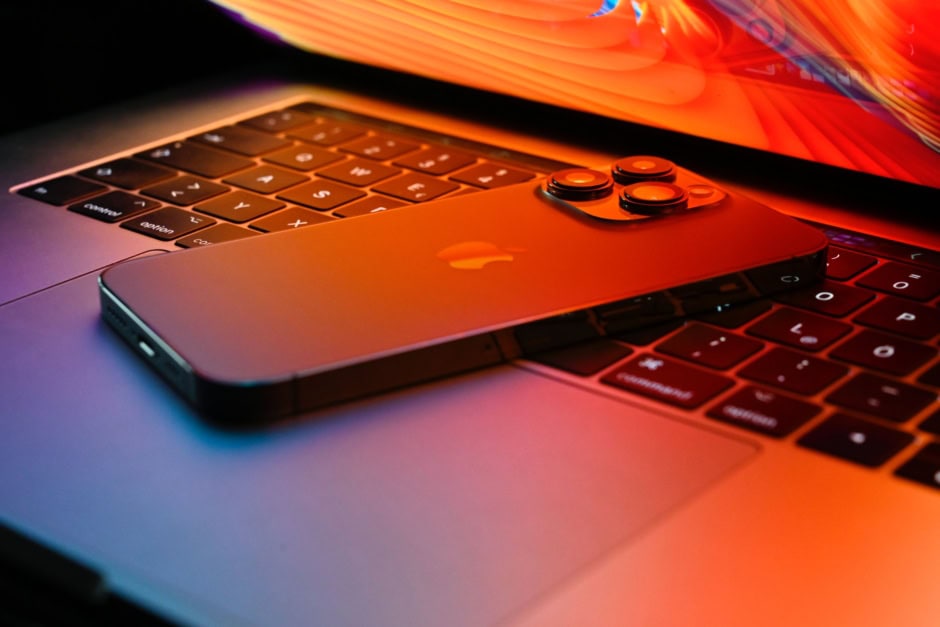
The FBI has been unable to access a Washington Post reporter’s iPhone after agents seized it during a home search. According to a recent court filing, the device was protected by Apple’s Lockdown Mode, preventing investigators from extracting its data.
Agents searched on January 14 at the Virginia home of reporter Hannah Natanson. The operation is tied to an investigation involving a Pentagon contractor accused of leaking classified information. During the search, agents seized a Post-owned iPhone 13, a Post-owned MacBook Pro, Natanson’s personal MacBook Pro, a 1TB portable hard drive, a voice recorder, and a Garmin watch.
When agents found the iPhone, it was powered on and charging. The display showed that Lockdown Mode was enabled. After transferring the phone to the FBI’s Washington field office, the Computer Analysis Response Team began processing the device. However, the team could not extract any data because of Lockdown Mode.
The agency did retrieve limited information from the SIM card. An auto-generated HTML report created by CART showed only the phone number. The FBI has now paused further attempts to access the device due to a court-issued standstill order.
Apple introduced Lockdown Mode in 2022. It is available on iPhones, iPads, and Macs. Users must enable it separately on each device. On iPhone or iPad, users go to Settings, tap Privacy & Security, scroll to Lockdown Mode, and select Turn on Lockdown Mode. On a Mac, users open System Settings from the Apple menu, click Privacy & Security, scroll down, and click Turn On under Lockdown Mode.
Apple says the feature protects people who may face highly sophisticated cyberattacks. When enabled, the device limits several functions. It blocks most message attachments and FaceTime calls from unknown contacts. It also restricts browser technologies, photo sharing, and other features. Users can exclude trusted apps and websites from these limits.
While the iPhone remained locked, agents had more success with Natanson’s work laptop. According to the Justice Department, FBI agents informed her they could not force her to provide passcodes. However, they could use biometrics under the search warrant. Natanson said she did not use biometrics.
The post-owned MacBook Pro was powered on and locked when agents found it in a backpack in the kitchen. Agents asked Natanson to try unlocking it with her fingerprint. When she placed her right index finger on the reader, the laptop unlocked immediately.
In 2024, a federal appeals court ruled that the Fifth Amendment does not stop police from requiring a suspect to unlock a device using a thumbprint. That case involved a traffic stop, not a home search.
The FBI has not obtained a full physical image of the work laptop. Instead, agents created a limited, partial live logical image. Some Signal messages were set to auto-delete, so agents photographed and recorded them for preservation. The government says it has not conducted a substantive review.
Investigators could not access Natanson’s personal MacBook Pro. The device is password-protected and encrypted. The agency paused further efforts due to the court’s order.
Authorities processed data from the 1TB hard drive and the voice recorder, but have not reviewed it. They did not process the Garmin watch before the standstill order. As a result, no action will take place until the court issues further instructions.
For now, Apple’s Lockdown Mode stands as the biggest obstacle in the case. The FBI seized the device, but it still cannot get inside.