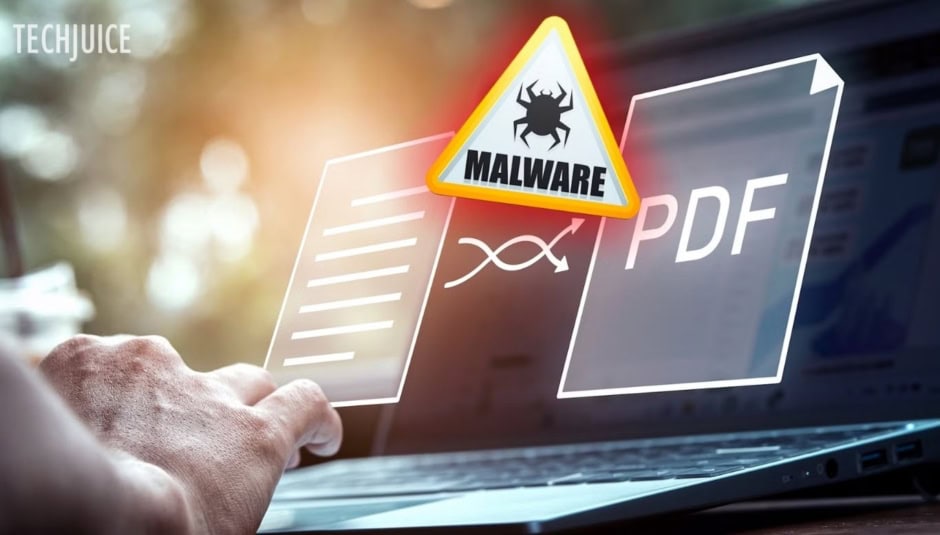
For years, free online file converters have been a go-to tool for many users looking to change file formats like M4A to MP3 or convert .doc files to .pdf. However, the FBI has issued a critical warning, revealing that these seemingly convenient services have increasingly become a gateway for malware infections. Criminals are taking advantage of the popularity of these tools to distribute hidden malware, putting users’ personal and financial data at risk.
How the Scam Works?
When you use free file conversion tools, the files you submit may undergo the conversion process as expected. But lurking in the background is malicious software that gets embedded into the converted file. When unsuspecting users download the file, it installs malware onto their device. This malware is designed to exfiltrate sensitive data, such as personal identifying information (PII), banking details, cryptocurrency credentials, and even login information. In some cases, the malware also installs ransomware, which locks the user out of their own system and demands a ransom for its release.
The FBI’s report highlights that while file converters may appear legitimate, many lead to more severe consequences than a simple malware infection. Some of these services are specifically engineered to deliver ransomware, which can take control of your computer and lock all your files until you pay the required ransom. In addition to ransomware, other malware types like browser hijackers, adware, and potentially unwanted programs (PUPs) can also be spread via these tools.
Criminals typically offer popular file conversion services, such as converting .doc to .pdf or merging multiple image files into a single .pdf, to attract users. While these converters may indeed perform the requested tasks, the consequences of downloading files from untrustworthy sites can be dire.
Consequences of Malware Infections
Once a device is infected, the malware begins to work silently in the background, collecting personal information, such as:
- Social Security Numbers (SSN)
- Banking credentials and crypto wallet information
- Passwords and session tokens
- Email addresses and other sensitive data
Cybercriminals can use this stolen data for identity theft, financial fraud, or unauthorized access to accounts. They may also attempt to bypass multi-factor authentication (MFA) to gain access to more sensitive accounts.
FBI Advice: Educate and Protect Yourself
FBI Denver Special Agent in Charge Mark Michalek emphasizes the importance of awareness and caution:
“The best way to thwart these fraudsters is to educate people so they don’t fall victim to these fraudsters in the first place.”
To protect yourself, it’s vital to only use trusted and verified file converters. Never rely on tools that appear too good to be true, as they could be a trap set by cybercriminals. Using active anti-malware protection and browser extensions that block malicious sites can further shield your device from infection.
What to Do If You’ve Been Affected
If you believe you’ve been targeted by one of these scams, take immediate action:
- Contact your financial institutions to secure your accounts and prevent further damage.
- Change all passwords using a clean, trusted device.
- Report the incident to the Internet Crime Complaint Center (IC3).
Examples of Risky Domains
Some domains that have been flagged for involvement in these types of scams include:
- Imageconvertors[.]com (phishing)
- convertitoremp3[.]it (Riskware)
- convertisseurs-pdf[.]com (Riskware)
- convertscloud[.]com (Phishing)
- convertix-api[.]xyz (Trojan)
- convertallfiles[.]com (Adware)
- freejpgtopdfconverter[.]com (Riskware)
- primeconvertapp[.]com (Riskware)
- 9convert[.]com (Riskware)
- Convertpro[.]org (Riskware)
These sites often lure users with promises of free file conversions but deliver malware instead.