Islamabad; The Federal Board of Revenue (FBR) in Pakistan has recently imposed a 10 percent processing fee on Afghan transit goods. This new levy, effective as of Saturday, May 17, 2025, through an amendment expands the list of items subject to this fee.
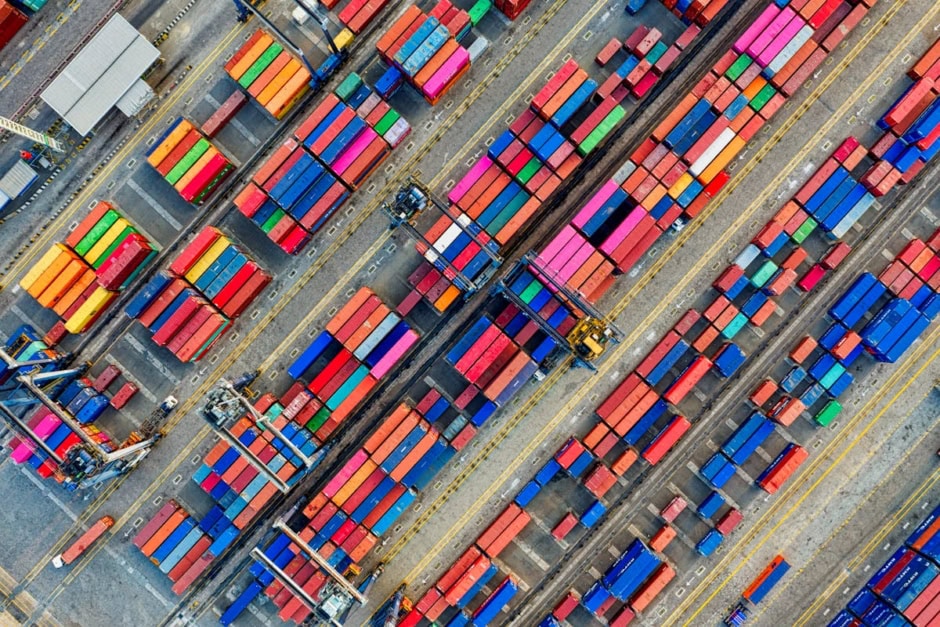
A 10 percent processing fee will be imposed on certain goods that come to Pakistan through the AFG border, based on their value. The fee was already there too, but it was only applied on five major categories: confectioneries/chocolates, footwear, machinery, blankets/home textiles, and garments.
The FBR reportedly received proposals from the Ministry of Commerce highlighting concerns about the misuse of the Afghan Transit Trade (ATT) facility. It was noted that customs duties in Afghanistan are significantly lower than in Pakistan, leading to potential misuse by businessmen from both sides. To tackle this issue, the Ministry of Commerce suggested, the requirement of a Revolving Insurance Guarantee for all Afghan Transit goods with a bank guarantee at 100% of the assessed value, along with 10% processing fee.
Now the list is expanded, including items such as:
- Agricultural equipment
- Ships’ derricks; cranes
- Steam vapor-generating boilers
- Industrial/laboratory furnaces and ovens
- Automatic data processing machines
- Pulley tackle and hoists (other than skip hoists)
- Winches and capstans; jacks
- And dozens of other items.
This imposition comes at a time when overall trade between Afghanistan and Pakistan has seen a positive trend. In April 2025, bilateral trade increased by 23% to $119 million. Pakistan’s exports to Afghanistan rose by 21% to $87 million, while Afghanistan’s exports to Pakistan increased by 28% to $32 million. This growth occurred despite the temporary closure of the Wagah border.
Traders have expressed concerns that these new restrictions, including the processing fee, could negatively impact trade and strain the relationship between the two countries, potentially reversing the progress made under the Afghan Transit Trade Agreement (ATTA).