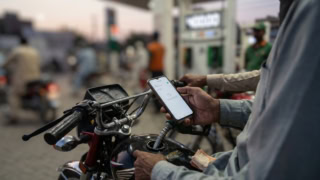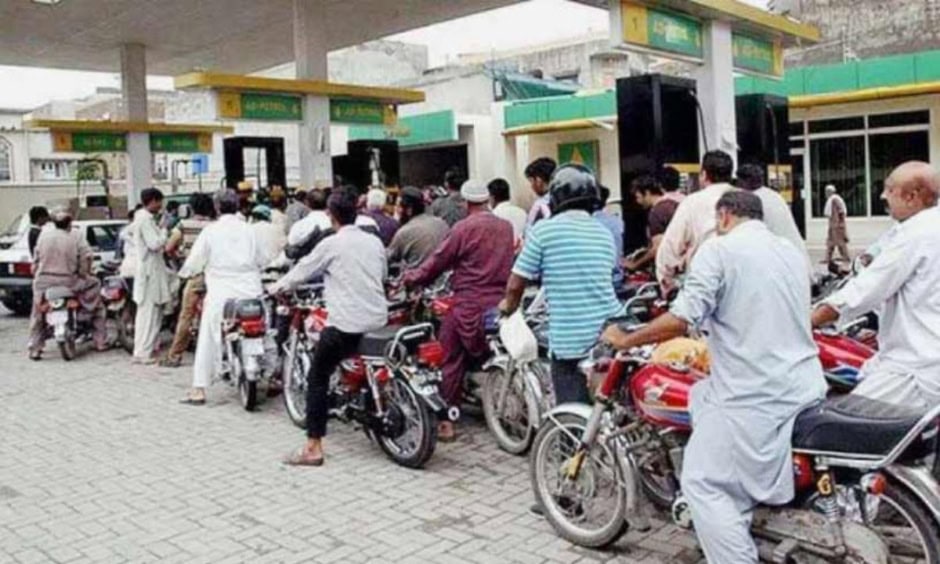
Fuel shortages in Quetta have intensified, leaving residents struggling as long queues form at limited operational petrol stations across the provincial capital.
Most petrol pumps remain closed due to acute scarcity, while vehicles including cars, motorcycles, and trucks stretch for miles at the few functioning stations.
Citizens expressed frustration, stating they are prepared to pay full price, yet the administration has failed to ensure consistent availability of fuel supplies.
Deputy Commissioner Quetta, Mehar Ullah Badini, confirmed illegal Iranian petrol is entering several areas, disrupting conventional supply chains and worsening the crisis across the city.
He said authorities immediately contacted pump owners, claiming petrol deliveries to city stations have already increased and the situation is expected to normalize soon.
In May, Iranian petrol prices in Balochistan rose sharply, climbing from Rs170‑180 per litre to Rs200‑210 per litre in multiple provincial districts.
Local traders reported the increase in Gwadar and coastal areas, attributing the surge to closure of border business activities at Kuntani Hor.
They said Iranian petrol previously sold at Rs170‑180 per litre is now consistently priced at Rs200‑210 per litre in Gwadar and nearby regions.
The rise in Iranian petrol prices coincides with fuel hikes, adding further pressure on consumers already burdened by inflation and escalating living costs.