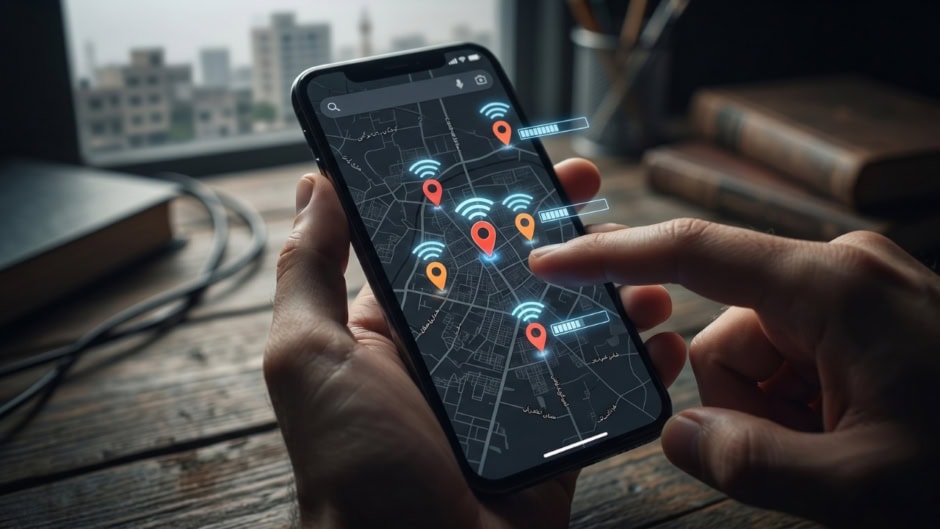
Geotagging is the invisible threat turning smartphones into weapons of espionage. Every time a user captures a photo or video, their device can embed precise geographical metadata, exact GPS coordinates, directly into the file. While ordinary users rely on this to organize personal memories, foreign intelligence agencies exploit it to map national security infrastructure. By extracting geotagged images from unsuspecting citizens, hostile actors can pinpoint military bases, track troop movements, and identify tactical vulnerabilities without ever deploying an agent across the border. A similar incident took place recently with a Pakistani student.
The “Online Survey” Trap
The infiltration began in 2022. An individual named “Shahid” sent a Facebook friend request to a college student from Bhimber, Azad Kashmir. The student accepted it. Shahid claimed he lived in Lahore and managed online surveys. He offered the student an easy remote job using a mobile phone. Following Shahid’s instructions, the victim moved the conversation to WhatsApp. He then downloaded a specific geotagging application from the Google Play Store to facilitate the work.
Weaponizing Geotagging & Live Locations
The digital espionage started with low-level data extraction. During a visit to Gujranwala, the victim was asked to send photos, videos, geotags, and live locations of a nearby village. Shahid paid him 2,500 PKR for this digital data. Two days later, the victim captured images and videos of a police station, alongside vehicle movements in Rawalpindi and Poonch. This second digital drop earned him 4,500 PKR. He believed he was simply completing easy online micro-tasks.
Blackmail & the Digital Trail
The operation escalated when Shahid revealed his true identity as an Indian intelligence operative. Shahid weaponized the digital trail against the student. He threatened to leak the victim’s personal chat history and the provided intelligence on social media. The operative demanded more data. Driven by fear, the victim complied. He continuously shared live locations, geotags, photos, and videos of highly sensitive targets. These targets included Army units along the Line of Control, an Air Base, police stations, and various military installations.
Authorities recently caught the student in Rawalakot during a final attempt to capture the live location and geotags of a local mosque and madrasa. The student confessed, blaming his actions on severe financial struggles and a failure to understand the digital threat.
راولاکوٹ آزاد کشمیر سے پکڑے جانے والے بھارتی خفیہ ایجنسی را کے ایجنٹ عرفان کا اعترافی بیان pic.twitter.com/3iXtvFeChZ
— Rizwan Ghilzai (Remembering Arshad Sharif) (@rizwanghilzai) April 16, 2026