 3 min read
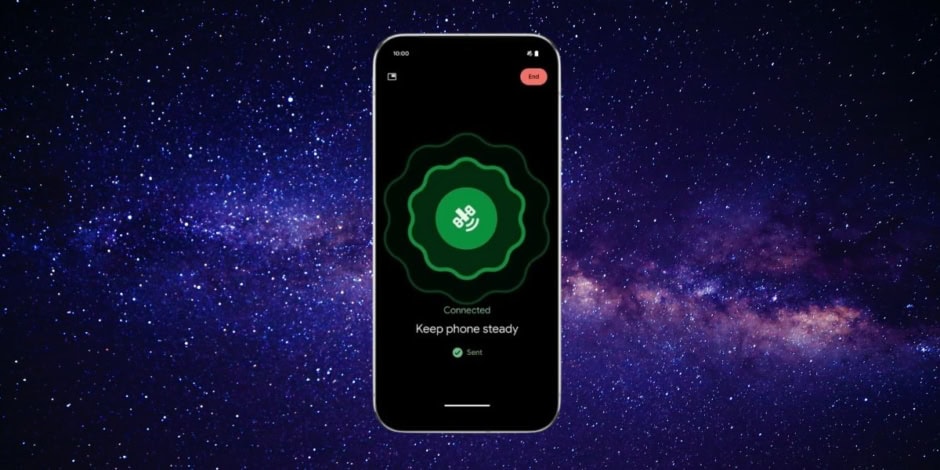
Google briefly rolled out satellite-based emergency SOS software to older Pixel phones, only to disable the feature hours later after confirming it was released unintentionally. The move raised questions about feature rollouts, device capabilities, and user expectations.
What Went Wrong & What Happened
An over-the-air update delivered the satellite SOS software to older Pixel 5A, Pixel 6, and Pixel 6a devices. The SOS system is intended to enable messages via satellite in emergency scenarios when cellular networks are unavailable. Users soon discovered the function and were able to access the interface.
However, Google said the rollout was accidental and insufficiently tested. The company promptly removed the feature’s toggle and reverted affected devices in a follow-up software update. Users who had accessed the SOS interface lost that access once the update rolled back.
Google Mistake Has Consequences
Feature gating and staged rollouts are standard but delicate. Adding a complex functionality like satellite SOS prematurely exposes devices to operational risk, legal exposure, and user confusion. Some users may assume the feature works fully, then be disappointed in emergencies, a serious issue for a public safety feature.
Moreover, satellite SOS requires hardware support: antenna alignment, firmware, and regulatory approval. Older devices were never necessarily designed with those constraints in mind. Rolling the software without hardware validation can cause issues like battery drain, sensor misreads, or UI anomalies.
Device Compatibility & Limitations
Google had previously introduced SOS satellite support in newer Pixel models. That feature relies on agile low-earth-orbit (LEO) satellite networks and optimized radio firmware. The accidental push to older devices suggests Google may have carried forward some base code but without proper hardware integration or licensing.
Plus, applying a satellite emergency system depends on geolocation accuracy, low-latency uplinks, and ensuring users’ location can be transmitted, complexities that require regulatory approval in many countries.
Broader Implications for Tech & Safety
The error highlights the challenges that tech companies encounter when managing increasingly intricate feature pipelines. As devices evolve into satellites, AI assistants, and IoT systems, accidental releases can reveal edge cases, regulatory issues, and potential damage to their brand. For consumers, this serves as a reminder that “software updates” can introduce not only new features but also unexpected consequences.
Companies that are developing safety features need to be meticulous about their rollout schedules, ensure thorough testing across different hardware generations, and communicate any limitations clearly to users. A single mistake in public safety tools can significantly undermine trust.