Pakistan’s upcoming budget is expected to reshape the auto sector, especially through changes in tax policy for hybrid and electric vehicles. According to a preview by Topline Securities, the government is considering a sharp increase in GST on hybrid electric vehicles.
Under the proposed changes, hybrid cars up to 1800cc may see GST rise from 8.5 percent to 18 percent. Larger hybrid vehicles could face an even steeper jump from 12.75 percent to 25 percent. This signals a major shift in how hybrid vehicles are treated in the tax system.
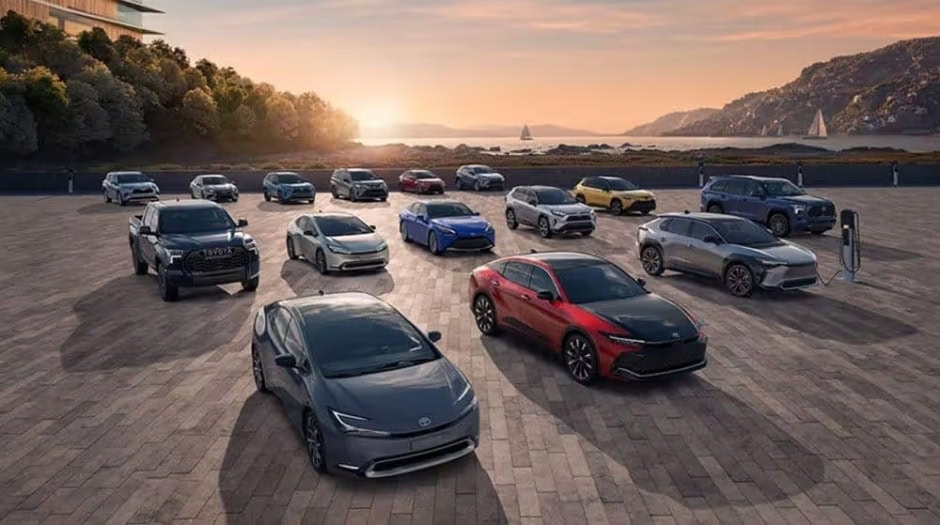
At the same time, the debate is expanding beyond hybrids. Several global EV brands are now entering Pakistan through Completely Built Unit imports. Companies like BYD and MG Motors are already bringing electric models into the market, and other automakers are also preparing similar CBU EV shipments for Pakistan. These imports are being positioned as mass-market electric mobility solutions.
However, this approach raises serious concerns for Pakistan’s clean transport transition. Hybrid vehicles are currently one of the most practical and affordable options for consumers moving away from fuel-based cars. They reduce fuel consumption without requiring a fully developed charging network.
Hybrids Are Key to a Gradual EV Shift
Imposing higher taxes on hybrids at this stage could slow down adoption significantly. Higher prices will likely push buyers back toward petrol and diesel vehicles. That would directly weaken efforts to reduce emissions in the transport sector.
Instead of taxing hybrids, Pakistan should treat them as a key transition technology. They help bridge the gap between traditional engines and fully electric mobility. In fact, stronger hybrid adoption can prepare the market for future electric vehicle expansion.
A more effective policy would shift the tax burden toward Completely Built Unit (CBU) electric vehicles. These imported EVs enter the country fully assembled and do not contribute to local manufacturing or industrial development. If CBU electric vehicles are taxed appropriately, it can help manage import demand. It would also protect foreign exchange reserves, which are already under pressure due to rising vehicle imports.
Why Imported EVs Should Carry Higher Duties
At the same time, focusing taxation on CBUs would encourage investment in local assembly. Pakistan needs to build its own electric vehicle ecosystem rather than relying on finished imports. Without this shift, the country risks long-term dependency on foreign manufacturers.
Hybrid vehicles, on the other hand, support a gradual technological transition. They allow consumers to shift toward cleaner mobility without facing infrastructure barriers. Removing their affordability through higher GST could disrupt this natural progression.
Many global markets have used hybrids as a stepping stone toward full electrification. They help build demand, improve fuel efficiency, and support gradual consumer behavior change. Pakistan risks losing this advantage if hybrids are heavily taxed too early.
Are We Repeating the Solar Import Mistake?
Pakistan may risk repeating a pattern seen in the solar energy sector. In recent years, solar panel imports from China increased sharply. Large-scale imports entered the market quickly as demand grew for cheaper electricity solutions.
However, this rapid import growth also raised concerns about the trade deficit. A major share of panels and equipment was imported instead of being locally produced. This created pressure on foreign exchange reserves while boosting reliance on foreign supply chains.
A similar situation could develop in the EV sector. If CBU electric vehicles are imported in large volumes without local assembly, import bills may rise again. This could mirror the solar trend, where adoption increased but local value creation remained limited.
The government is also expected to introduce a New Energy Vehicle framework. While this aims to promote green transport, it must align with practical market conditions. Taxing hybrids heavily while the EV ecosystem is still developing could create imbalance.
A better strategy would protect hybrid affordability while discouraging excessive reliance on imported CBU EVs. This would ensure that growth in the EV sector is linked to local assembly and long-term industrial capacity.
If Pakistan prioritizes CBU EV imports through lower taxes, it may see a short-term rise in electric vehicles. However, this would increase import bills without building domestic value chains. Over time, it could create economic pressure without sustainable benefits.
Hybrid vehicles offer a more realistic and immediate solution for mass adoption. They reduce fuel dependency and act as a transition bridge toward full electrification. Taxing them heavily could slow down this transition instead of accelerating it.
Pakistan’s policy direction should focus on long-term stability in the auto sector. That requires encouraging hybrids while strategically managing CBU EV imports through taxation.