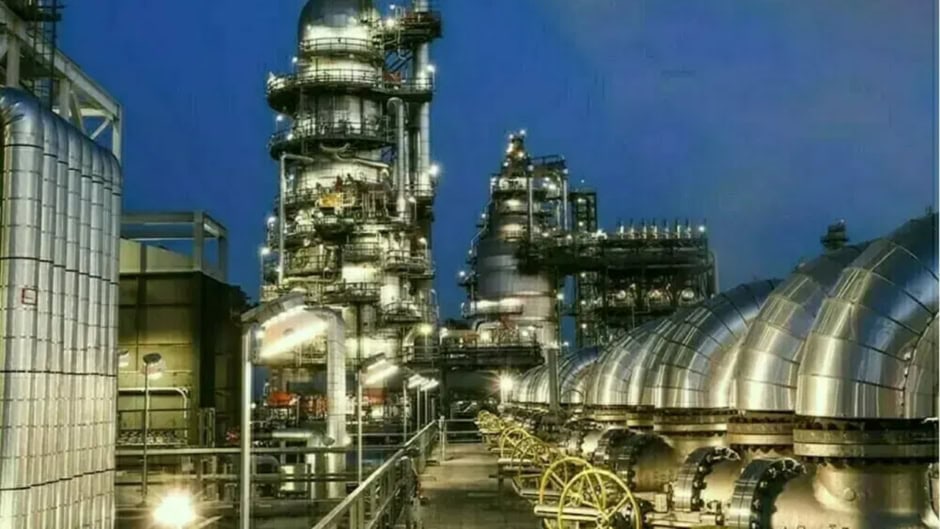
The federal government has moved to revive nearly $6 billion in planned refinery investments by addressing tax and policy hurdles that have delayed major modernization projects in Pakistan’s oil refining sector.
A high-level meeting chaired by Finance Minister Muhammad Aurangzeb signaled renewed momentum for the long-delayed Brownfield Refinery Policy.
Officials discussed proposals to exempt refinery machinery imports from sales tax and introduce policy protections aimed at restoring investor confidence in refinery upgrade projects.
The meeting was attended by Petroleum Minister Ali Pervaiz Malik, along with senior officials from the Finance Division, Petroleum Division, Federal Board of Revenue, Oil and Gas Regulatory Authority, and representatives from oil refineries.
Participants reviewed issues that emerged after changes introduced through the Finance Act 2024, particularly the transition of petroleum products from zero-rated to sales tax-exempt status.
Industry representatives informed the government that the revised tax structure disrupted the financial viability of refinery projects because input sales tax could no longer be fully adjusted against output liabilities.
Refineries warned that the additional tax burden was increasing project and operational costs while creating uncertainty for lenders and investors financing multi-billion-dollar upgrades.
Officials said the government is now considering introducing a stability clause in agreements between OGRA and refineries to prevent major policy changes during project implementation.
Another meeting chaired by the petroleum minister is expected next week to finalize recommendations before forwarding them to the Economic Coordination Committee (ECC) for approval.
According to officials, the prime minister has already directed relevant ministries to remove implementation hurdles and accelerate refinery modernization efforts.
The government views refinery upgrades as essential for improving long-term energy security, producing cleaner Euro V-compliant fuels, reducing furnace oil production, and lowering dependence on imported petroleum products.
Industry stakeholders welcomed the renewed engagement, stating that stable fiscal and regulatory policies are necessary to attract financing and maintain investor confidence in long-term energy projects.
If implemented successfully, the Brownfield Refinery Policy is expected to modernize Pakistan’s downstream petroleum sector, improve refining margins, and attract fresh investment into the country’s energy infrastructure.