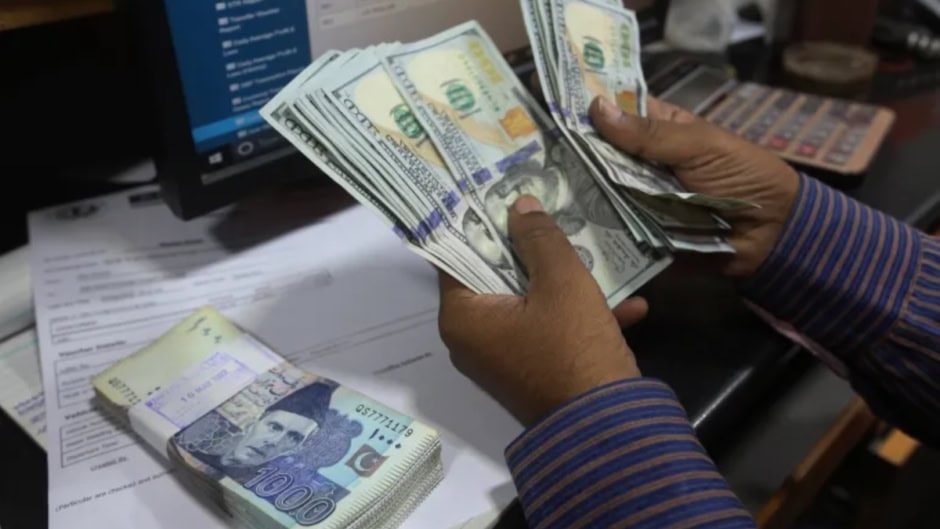
Remittances from overseas Pakistanis now cover 100 percent of the external deficits of the country and account for about 10 percent of GDP, according to Emre Akcakmak, Head of Frontier Markets and portfolio advisor at East Capital.
Akcakmak said on Tuesday that remittances have reached $44 billion on a trailing 12-month basis, one of the highest levels relative to GDP globally. In a post on X, he said the economy would be in a completely different shape without the inflows from an estimated 10 million Pakistanis living abroad.
The State Bank of Pakistan (SBP) data released the same day supports the trend. Remittances sent by Workers totalled $3.9 billion in October, up 14 percent from $3.42 billion a year earlier and 8.5 percent higher than $3.6 billion in September.
Cumulative inflows for July-October FY27 rose 14 percent to $14.8 billion, compared with $13 billion in the same period last year. Last month, the SBP raised its FY27 remittance forecast to $45 billion from $44 billion, citing resilient inflows in the first quarter.
Akcakmak contrasted the current position with the year 2023, when Pakistan nearly defaulted on its foreign currency bonds. External deficits had widened sharply, and central bank reserves covered only 1.5 months of imports.
Since then, gross foreign exchange reserves have risen almost fivefold. Inflation has fallen from 38 percent to single digits, with a low of 0.2 percent and a latest reading of 9.6 percent. Equities have gained 318 percent in US dollar terms, or 53 percent annualised.
Akcakmak credited the diaspora for the turnaround, alongside a stable government and an effective IMF programme. He described remittances as “Pakistan’s oil.”