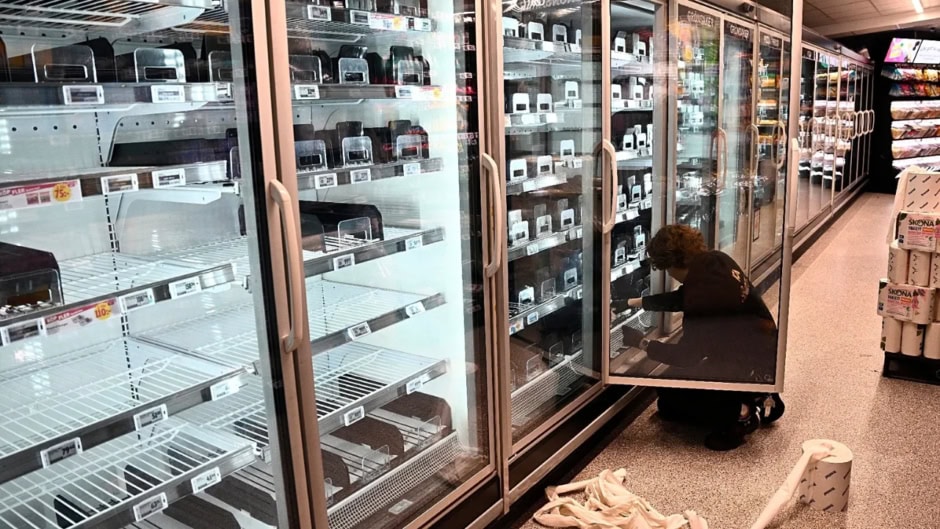
Hackers have hijacked supermarket refrigeration systems across Europe twice in three weeks. The attacks pushed fridge temperatures as high as 50°C. Mountains of fresh and frozen food had to be thrown away. Notably, no group has claimed responsibility for either attack.
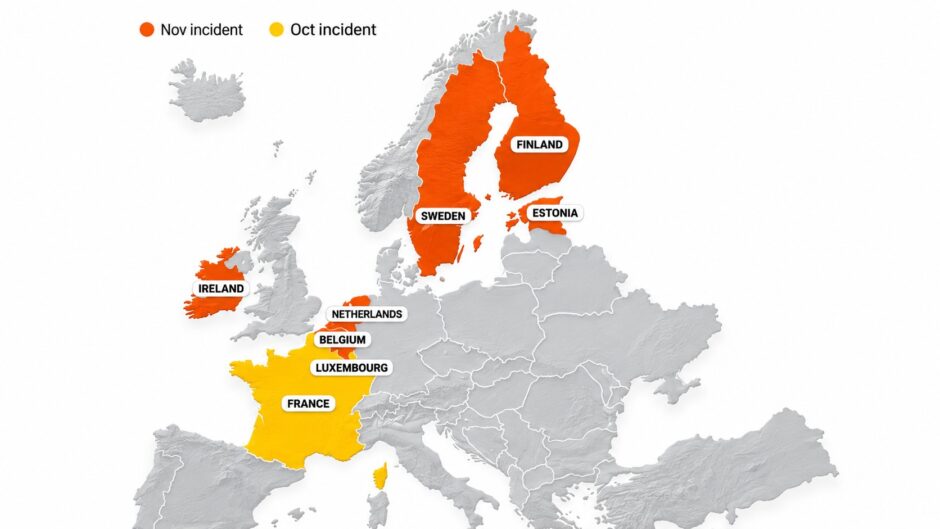
The first strike hit France on October 12. Hackers seized control of cooling units at hundreds of supermarkets overnight. The Paris prosecutor’s office called it a “large-scale” attack. It affected connected refrigerators at major retailers including Intermarché, Cooperative U, and Leclerc.
For those unaware of the cyberattack mechanics, these fridges connect to the internet. Companies can then monitor temperatures remotely, much like how a smart AC or WiFi-enabled inverter works at home. Hackers have recently broken into that connection and switched the cooling off from thousands of kilometers away. Much like if someone could hijack a poorly secured home camera, except this time it spoiled tons of food instead.
Staff at some Paris supermarkets threw boxes of perished meat into giant containers. Some stores reported fires triggered by the overheating equipment. Three weeks later, a second wave struck on November 2. This time, it spread across at least seven European countries. Belgium, Sweden, the Netherlands, Luxembourg, Estonia, Denmark, and Finland all reported incidents. Dozens of stores saw temperatures soar overnight once again.
The attack hit several major supermarket groups simultaneously. Ahold Delhaize and Colruyt were affected in Belgium and Luxembourg. Swedish grocers ICA and Coop reported similar failures. European Commissioner for Agriculture Christophe Hansen publicly condemned the attack. He called it an attack on food products directly.
“They are a deliberate attempt to disrupt our food supply chain and undermine consumers’ confidence in it – a warning that we must take seriously,” said EU commissioner for agriculture Christophe Hansen. “The repeated occurrence of these cyberattacks is deeply concerning.”
A common thread connects most of the affected stores. At least some units used temperature-control technology from Danish firm Danfoss. That company’s systems were also targeted during the French attack. Hackers reportedly switched the units’ evaporators into defrost mode remotely.
Belgian refrigeration company Sabcobel confirmed the method directly. Its CEO said hackers switched evaporators to defrost mode. Technicians began mobilizing at 1 a.m. to disconnect affected units. They worked through the night to isolate systems from the network.
Security experts say the attacks expose a fundamental IoT vulnerability. Commercial refrigeration systems often connect to the internet for monitoring. However, many lack adequate security protections in practice. One expert said attackers were essentially pushing at an open door.
The European Commission called the incidents a demonstration of how digital threats increasingly affect everyday life. The warning extends to emerging markets adopting the same technology. Pakistan’s cold chain infrastructure has expanded rapidly in recent years. Major retailers, dairy processors, and pharmaceutical distributors increasingly rely on connected cooling systems. Many of these use internationally sourced temperature-control hardware. As these systems grow more networked, the same IoT vulnerabilities exploited in Europe could eventually surface closer to home.