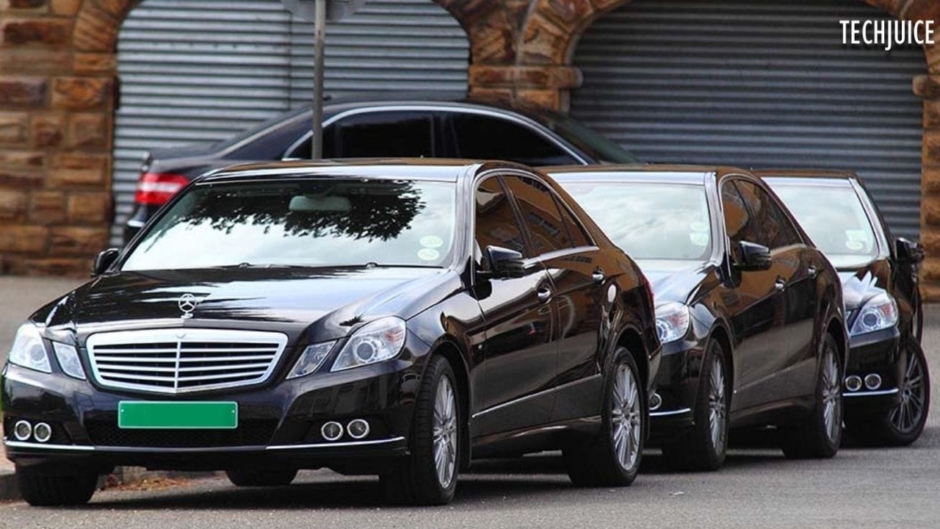
The government’s austerity campaign appears to be entering a stricter phase, with fresh oversight measures now in motion. According to sources, the Federal Board of Revenue (FBR) has shared key details about parked official vehicles and fuel card usage with the Intelligence Bureau (IB), which has been tasked with auditing spending under the drive.
Officials say that records of savings achieved through reduced vehicle usage and parking have also been handed over for review. The move comes as part of a broader effort to monitor public sector expenses more closely, following directives from the Prime Minister to ensure financial discipline across departments.
However, questions are beginning to surface alongside these developments. Sources indicate that the FBR has not fully disclosed details regarding confiscated non-customs-paid (NCP) vehicles. These vehicles, originally seized under enforcement operations, are reportedly still in use by senior officials within Customs and Inland Revenue.
More concerning are claims that some of these vehicles, obtained for operational duties, may be used for personal or household purposes. While these allegations remain to be officially confirmed, they have added a layer of scrutiny to the ongoing austerity measures.
Pakistan’s latest push for austerity is not happening in isolation. It comes at a time when the country is already dealing with economic pressure, rising fuel costs, and uncertainty in global energy markets.
Over the past few weeks, government have introduced cost-cutting measures, ranging from limiting official perks to reducing fuel usage in an effort to control public spending and ease pressure on foreign reserves.