
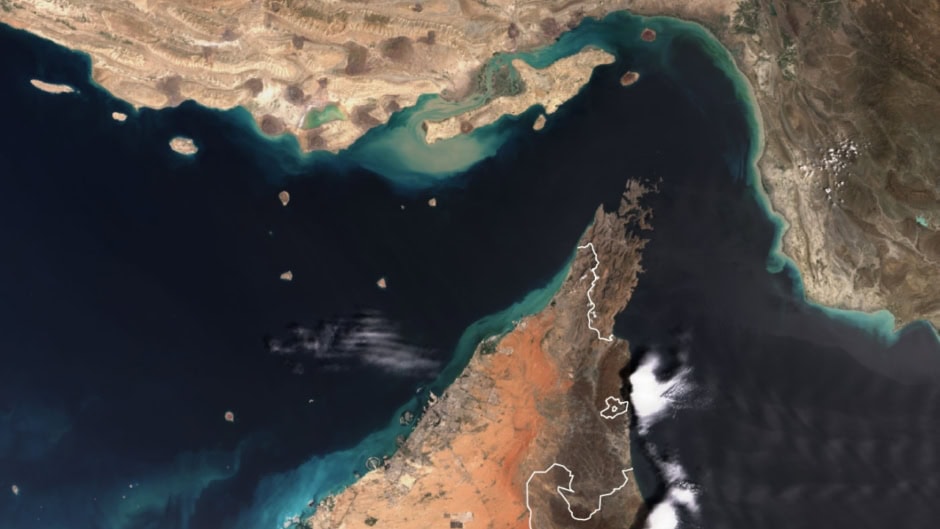
Currently, a massive bottleneck plagues the Strait of Hormuz. Iran is actively enforcing a new cryptocurrency toll on oil tankers. This calculated move weaponizes the current two-week ceasefire. Consequently, U.S. President Donald Trump has publicly condemned the action.

The $1 Crypto Paywall & Security Chokehold
According to a Financial Times report, Iran’s Oil, Gas and Petrochemical Products Exporters’ Union proposed a strict $1 per barrel fee. Tankers must pay this toll using digital currencies, such as Bitcoin. Furthermore, the payment window is ruthlessly short. Shipping companies must notify Iranian authorities of their cargo beforehand and finalize the crypto transaction within seconds to secure clearance.
Iran claims these measures address regional security concerns. Therefore, authorities mandate strict checks for all vessels before granting passage. They also force ships to navigate routes significantly closer to the Iranian coastline.
Strait of Hormuz: Global Supply Chain Paralyzed
This new system severely throttles global maritime traffic. Before the conflict, approximately 135 vessels crossed the strait daily. Now, analysts estimate that only 10 to 15 ships can pass each day.
As a result, the backlog is staggering. Between 300 and 400 ships currently wait for clearance. Furthermore, roughly 175 million barrels of crude and refined products remain stranded on tankers in the Gulf. Major Western and Gulf-linked shipping operators refuse to move. They cite immense operational risks and demand more certainty before resuming normal operations.
President Donald Trump Issues Warning
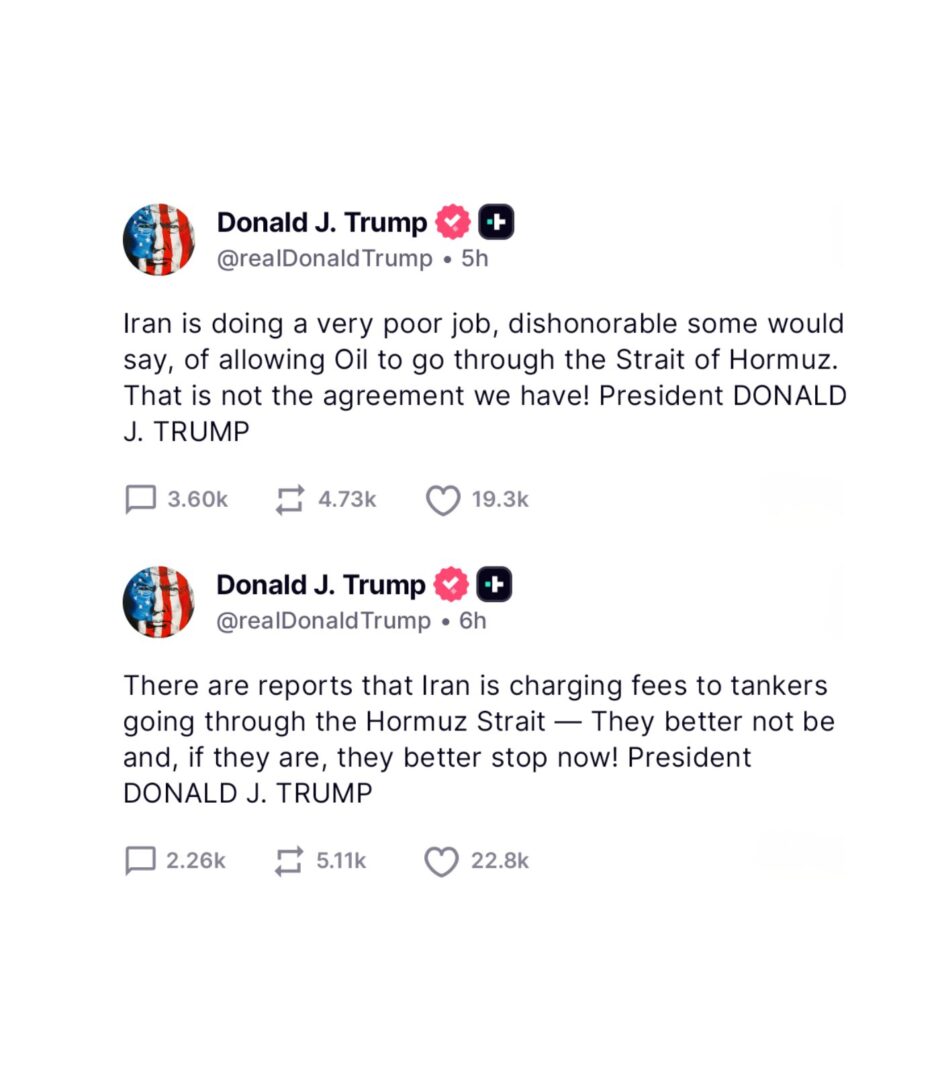
The United States government completely rejects this workaround. President Donald J. Trump took to Truth Social to express his outright anger. He stated:
There are reports that Iran is charging fees to tankers going through the Hormuz Strait – They better not be and, if they are, they better stop now!
Shortly after, he escalated his rhetoric. Trump declared that Iran is deliberately failing to allow oil passage. He explicitly noted:
That is not the agreement we have!
Currently, access to the Strait of Hormuz remains a critical deadlock in ongoing negotiations, with regional stakeholders demanding unrestricted passage while Iran maintains its chokehold.