The Islamabad Capital Territory Administration has added five more vehicle e-tagging points, increasing the total number of facilitation centers from 19 to 24, as mandatory enforcement of the digital tagging system officially begins in the federal capital.
The move comes under the broader Safe & Secure Islamabad initiative aimed at digitizing vehicle monitoring, improving traffic management, and strengthening city security.
According to officials, 219,979 vehicles have already been e-tagged, reflecting a sharp rise in registrations ahead of full enforcement. To ease public access, two centers are operating round the clock, while two others are providing extended 24-hour services to accommodate motorists beyond standard office hours.
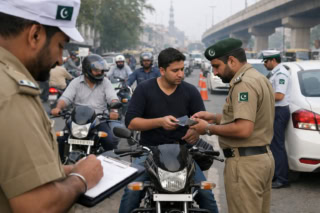
Authorities have also begun active enforcement at city entry points. Vehicles without valid e-tags or equivalent RFID-based M-Tags are being stopped at checkpoints as part of the compliance drive.
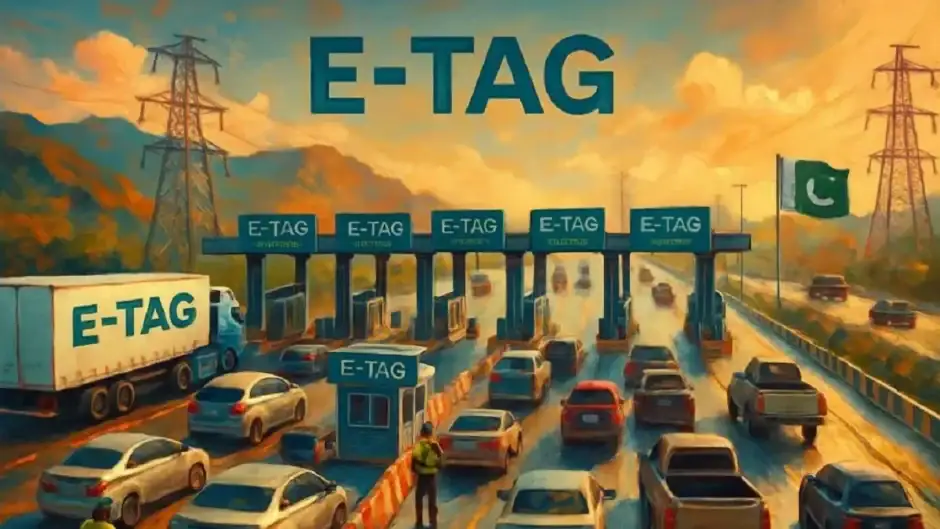
Under the new system, motorists must complete biometric verification and obtain an RFID-based e-tag, which is affixed to the vehicle’s windshield. Advanced tag readers installed at key entry points enable real-time scanning and monitoring.
Although enforcement was initially scheduled for January 1, 2026, the deadline was extended to January 15, 2026, due to high demand at registration centers. With the extended deadline now passed, authorities have started restricting the movement of non-compliant vehicles and may impose penalties.
Officials say the digital tagging framework will not only streamline traffic regulation but also help law enforcement track stolen vehicles, improve toll compliance, and modernize Islamabad’s urban mobility system.
The ICT administration has urged residents and daily commuters to complete registration immediately to avoid inconvenience, as strict monitoring continues across the capital.