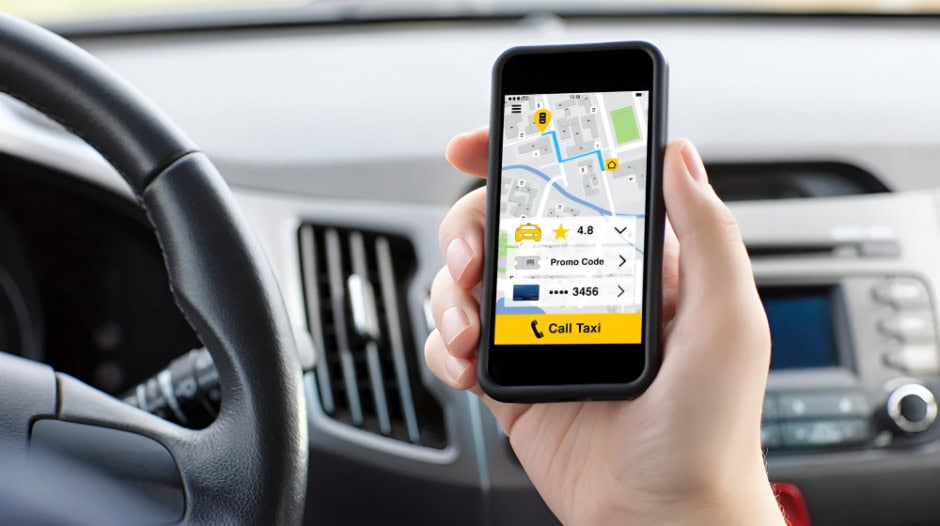
Islamabad has introduced its first ever legal framework to regulate app-based ride-hailing services, making driver registration mandatory and bringing companies like inDrive, Careem, and Uber under formal oversight. The Senate-passed bill aims to improve passenger safety, accountability, and transparency in the rapidly growing ride-hailing sector.
Under the new law, all ride-hailing drivers operating in Islamabad must register with the designated authority. Unregistered drivers will be barred from providing services in the capital. Ride-hailing companies are also required to obtain an official operational certificate before launching or continuing their services.
Drivers must possess a valid driving license along with special permits, while vehicles must be properly registered and carry an annual fitness certificate. Companies will be obligated to maintain complete records of drivers and vehicles and share real-time operational data with regulators.
An official familiar with the matter said, “This legislation is designed to protect passengers, ensure driver accountability, and finally bring structure to a sector that has operated without clear rules for years.”
Ride-hailing services have expanded rapidly across Pakistan over the past decade, reshaping urban mobility and providing income opportunities to thousands of drivers. However, the lack of a clear regulatory framework led to safety concerns, data transparency issues, and administrative gaps, particularly in major cities like Islamabad.
The new law aligns with broader digital governance efforts and follows increased scrutiny of transport and mobility platforms nationwide.
The move comes as competition intensifies in Pakistan’s ride-hailing market, with platforms like inDrive recently ranking as the top ride-hailing app on Google Play Store in Pakistan. At the same time, rising auto financing and vehicle ownership have increased pressure on regulators to ensure safer and more organized urban transport systems.
Officials believe the law will also help standardize operating procedures, improve service quality, and strengthen trust between passengers, drivers, and platforms.