The twin cities of Islamabad and Rawalpindi have returned to normalcy as mobile internet services and the Lahore-Islamabad Motorway (M-2) have been fully restored. The development follows a PTA-announced temporary disruption caused by recent protests that led to precautionary security measures across the region.
Authorities confirmed that the M-2 Motorway is now open for all types of traffic, allowing seamless travel between Lahore and Islamabad. The reopening is expected to ease congestion, restore the movement of commercial goods, and provide relief to commuters and businesses relying on this key transport corridor. With the M-2 back in operation, trade and logistics activities between major cities are set to regain momentum.
ایم-1 (پشاور-اسلام آباد) موٹروے تمام قسم کی ٹریفک کی آمدورفت کے لیے کھلی ہے۔
ایم-2 (اسلام آباد-لاہور) موٹروے تمام قسم کی ٹریفک کی آمدورفت کے لیے کھلی ہے۔
ایم-14 (ہکلہ-ڈی آئی خان) موٹروے تمام قسم کی ٹریفک کی آمدورفت کے لیے کھلی ہے۔
— National Highways & Motorway Police (NHMP) (@NHMPofficial) October 12, 2025
Mobile internet services have also been completely restored across Islamabad and Rawalpindi, bringing an end to the communication blackout. Residents can now access uninterrupted 3G and 4G connectivity, which is expected to benefit businesses, students, and professionals who rely on digital access. The restoration of internet services marks a critical step toward stabilizing the twin cities’ communication networks and supporting their digital economy.
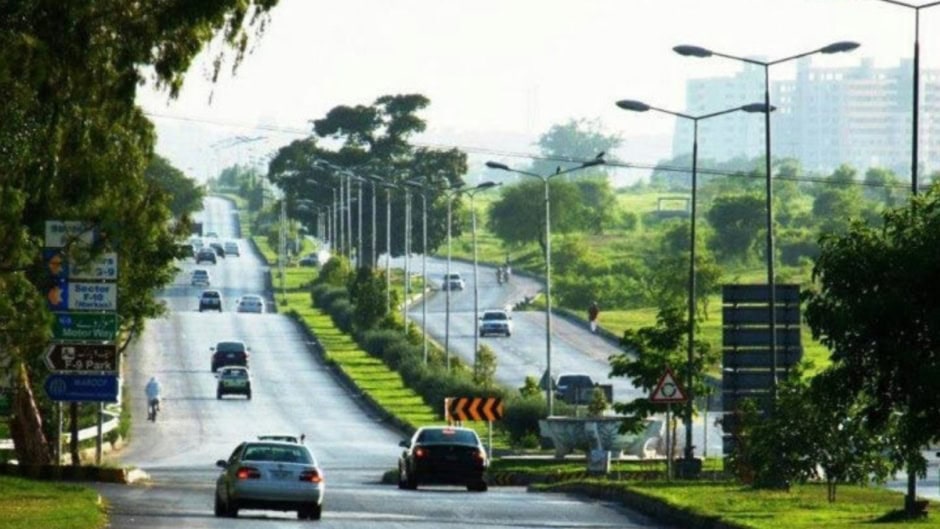
Authorities have also lifted several road blockades that were placed for security reasons. Containers and barriers have been removed from key routes, including areas near Faizabad Interchange, improving traffic flow within both cities. While security forces remain vigilant, the gradual normalization of traffic and services indicates that Islamabad and Rawalpindi are steadily returning to routine civic life.