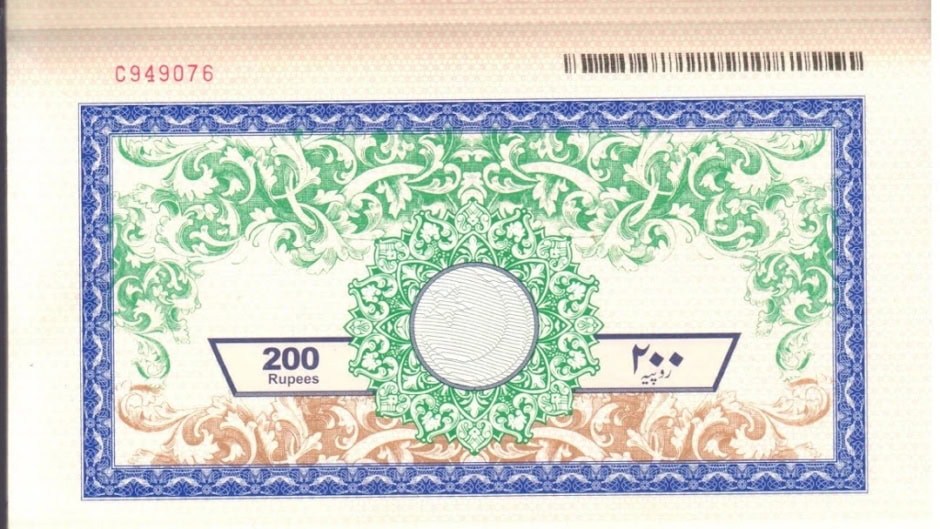
The Islamabad Capital Territory (ICT) administration has announced February 13, 2026, as the final deadline for the submission and use of conventional stamp papers, marking a complete shift to the newly introduced e-stamping system. After this date, no public or private institution in the capital will accept manual judicial or non-judicial stamp papers.
Deputy Commissioner Islamabad Irfan Nawaz Memon issued a formal notification confirming that the federal treasury office stopped issuing judicial and non-judicial stamp papers to vendors and the public from January 26, 2026.
Under the new directive, all stamp vendors operating in Islamabad must clear their remaining stock of traditional stamp papers by February 12. On February 13, vendors are required to submit their Stamp Vendor Registers and rubber stamps to the office of the Additional Deputy Commissioner (Revenue) and District Collector Islamabad.
Authorities have made it clear that after the deadline, no department, court, office, or authority in Islamabad will accept manual stamp papers under any circumstances.
Officials warned that strict legal action will be taken against individuals or institutions violating the directive under relevant laws and rules. The administration aims to ensure a smooth and complete transition to the digital system without loopholes.
The move follows the launch of the e-stamping service on February 1, 2026, which replaces the decades-old paper-based system.
The introduction of e-stamping is part of broader efforts to modernize revenue collection and reduce fraud, especially in property and real estate transactions. Traditional stamp papers have long been vulnerable to forgery, duplication, and black-market practices.
Officials say the digital system will improve transparency, enhance record-keeping, and make the process more convenient for citizens. The new system is expected to speed up document verification and reduce corruption linked to manual stamp issuance.
With Islamabad fully transitioning to e-stamping, the capital joins other regions that have already adopted digital stamp mechanisms to strengthen governance and public service delivery.