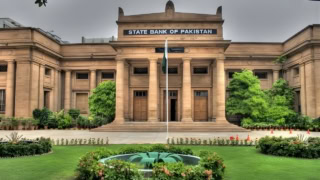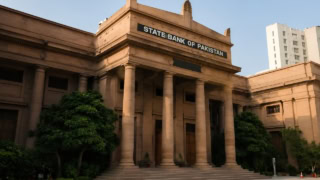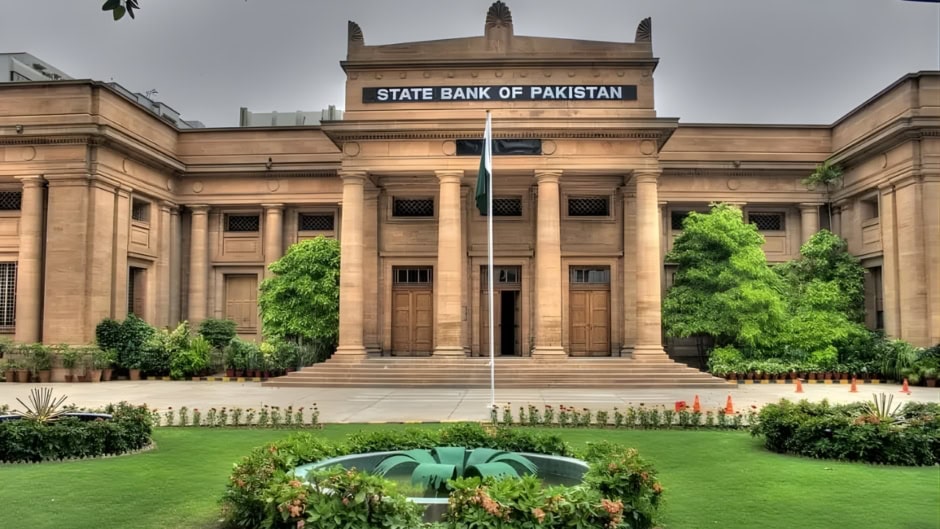
Pakistan’s Karachi Interbank Offered Rate (KIBOR) surged across multiple tenors after the State Bank of Pakistanraised its policy rate by 100 basis points to 11.5 percent, signaling a shift toward tighter monetary policy.
Short-term KIBOR tenors saw the sharpest reaction, with 1-week and 2-week rates rising by nearly 99 basis points, while the 1-month tenor increased by 94 basis points, reflecting immediate repricing in money markets.
Longer-term rates moved more moderately, with 6-month and 1-year KIBOR rising by about 43 and 34 basis points, suggesting expectations of some medium-term stabilization.
The central bank cited rising inflation risks, elevated global energy prices, and geopolitical uncertainty as major reasons behind the rate hike. Headline inflation rose to 7.3 percent in March, while core inflation reached 7.8 percent, with inflation projected to move above 10 percent in coming months.
The Monetary Policy Committee also pointed to external risks linked to Middle East tensions, which have increased oil prices, freight costs and insurance premiums.
Despite inflation concerns, Pakistan’s economy has shown resilience, with growth reaching 3.9 percent in Q2-FY26, while the external account improved through remittance-led current account surpluses and stronger foreign exchange reserves.
The policy move also aligns with recommendations from the International Monetary Fund, which has supported a tight monetary stance to contain inflation and preserve macroeconomic stability.
Analysts say the rise in KIBOR is likely to increase borrowing costs for businesses and consumers, while reinforcing pressure on financing conditions in the near term.