On this day in 2009, cricket witnessed an unprecedented act of terror that altered the sporting landscape of Pakistan when gunmen attacked the Sri Lankan team convoy in Lahore.
The assault occurred near the Gaddafi Stadium as the team travelled for the third day of the second Test match against the home side.
Six Pakistani policemen and two civilians were killed in the attack, while several Sri Lankan cricketers and support staff sustained injuries during the ambush.
Among the injured were Thilan Samaraweera, who suffered a thigh wound, and Kumar Sangakkara, who was hit by shrapnel, though no player was fatally harmed.
Mahela Jayawardene, then Sri Lanka captain, later described the harrowing moments as bullets pierced the team bus, leaving players shaken and fearing for their lives.
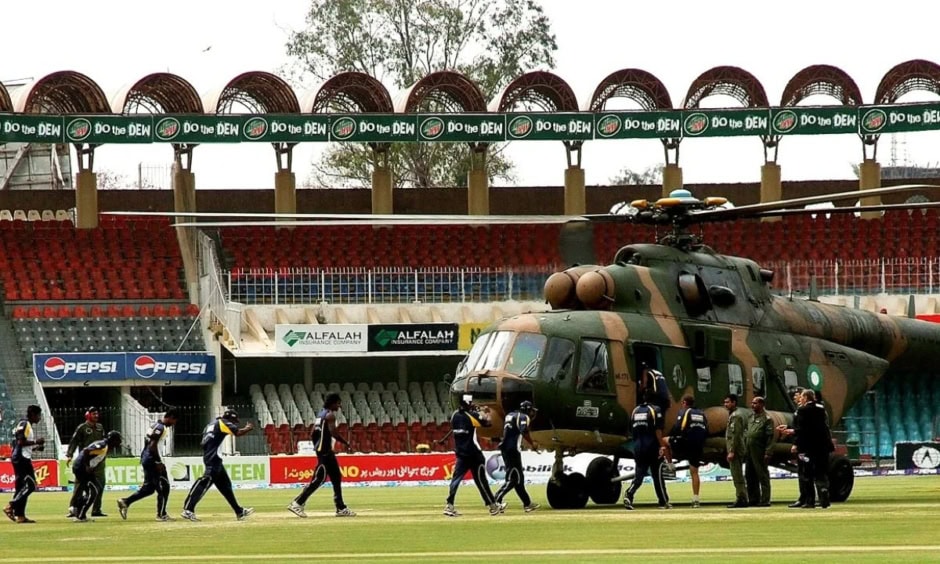
The match was immediately abandoned, and the Sri Lankan squad was airlifted out of Pakistan under tight security arrangements later that day.
International Isolation and Closed Cricketing Doors
The attack triggered immediate global concern, with several cricket boards suspending planned tours to Pakistan citing serious security risks and player safety fears.
For years afterward, no full-member international side agreed to tour Pakistan, effectively isolating the country from hosting elite international cricket on home soil.
The Zimbabwe national cricket team eventually became the first full-member side to tour Pakistan in 2015, marking a cautious return after six years of isolation.
Between 2009 and 2015, stadiums in Pakistan remained largely empty of international opponents, profoundly affecting domestic audiences and the morale of emerging cricketers.
Forced Exile to the UAE and World Cup Loss
In the absence of touring teams, Pakistan staged its home bilateral series in the United Arab Emirates, particularly in Dubai, Abu Dhabi, and Sharjah.
While the neutral venues provided continuity for international fixtures, they deprived Pakistan of home advantage and reduced gate revenues for the Pakistan Cricket Board.
The repercussions extended further when the International Cricket Council stripped Pakistan of its scheduled matches in the 2011 Cricket World Cup.
Pakistan had originally been a co-host alongside India, Sri Lanka, and Bangladesh, but security concerns following the Lahore attack led to relocation of its matches.
The loss of World Cup hosting rights dealt both financial and reputational blows, diminishing Pakistan’s standing within global cricket administration circles.
Long-Term Impact on Pakistan Cricket
Former Pakistan captain Wasim Akram later described the incident as one of the darkest chapters in the cricketing history of Pakistan, deeply affecting its global image.
Young Pakistani players were deprived of witnessing international stars at home grounds, impacting inspiration, grassroots development, and commercial growth of the sport domestically.
Security expenditures for future tours increased significantly, with visiting teams demanding unprecedented arrangements before agreeing to travel to Pakistan.
Gradually, through diplomatic engagement and improved security operations, Pakistan began restoring confidence among cricketing nations during the late 2010s.
Nevertheless, March 3, 2009 remains a defining moment when terror briefly silenced Pakistan’s cricketing heartbeat and reshaped its international sporting trajectory for years.
The Return of International Cricket
International cricket gradually returned to Pakistan after years of isolation, as improved security measures and government assurances convinced leading teams that conditions were safe.
Teams including Australia, England, New Zealand and South Africa toured Pakistan in different formats, signaling renewed trust in the country’s ability to host high-profile international cricket.
The revival culminated with Pakistan hosting the ICC Champions Trophy 2025, marking the country’s first major global tournament since the the ODI World Cup 1996.