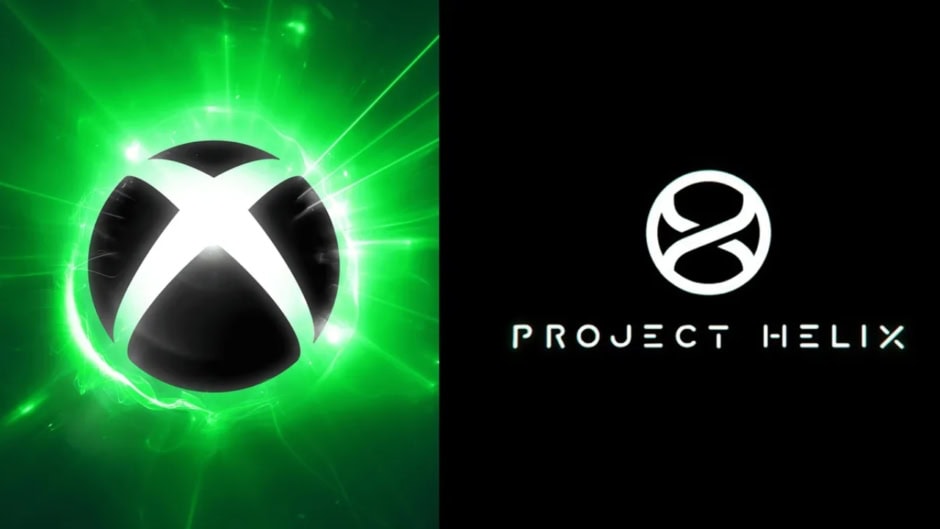
Microsoft has officially confirmed that its next generation Xbox console is codenamed Project Helix, with newly appointed Microsoft Gaming CEO Asha Sharma announcing the news on social media alongside a commitment to making the device play both Xbox and PC games.
Great start to the morning with Team Xbox, where we talked about our commitment to the return of Xbox including Project Helix, the code name for our next generation console.
Project Helix will lead in performance and play your Xbox and PC games. Looking forward to chatting about… pic.twitter.com/Xx5rpVnAZI
— Asha (@asha_shar) March 5, 2026
She said the device will “lead in performance” and play both console and PC games, adding that she will discuss the system with partners and developers at the Game Developers Conference next week.
The official Xbox account accompanied the announcement with a short animation revealing the Project Helix logo and what appears to be the system’s boot up sound.
Given the stated capabilities of Project Helix, the device could blur the traditional line between consoles and gaming PCs. The ability to run PC titles alongside Xbox games positions the system differently from previous generations of Xbox hardware.
Reports suggest the console may allow users to exit into a Windows environment and access multiple game storefronts including Steam and the Epic Games Store, effectively functioning as a gaming PC in console form. Support for Windows and major PC platforms could make Project Helix one of the most open Xbox systems released so far.
Development of the next generation Xbox hardware is moving forward with a semi custom processor built on x86 architecture. This design enables compatibility with standard PC games because it shares the same instruction set used by most gaming computers. Current development timelines suggest the hardware could support a launch window around 2027.
The announcement comes at a critical moment for the Xbox brand following leadership changes within Microsoft’s gaming division. Several major Xbox franchises have already expanded to other platforms, raising questions about the role of exclusives in the company’s future console strategy.
Sharma represents a relatively unconventional choice to lead the gaming division. Before taking the role, she held executive positions focused on scaling large online platforms and most recently led Microsoft’s CoreAI division. Some industry figures questioned the appointment and speculated about the future direction of Xbox under new leadership.
Sharma has rejected concerns that the company plans to scale back its gaming ambitions. In an open letter published after assuming the role, she stated that the company will not pursue short term efficiency strategies that weaken the identity of the Xbox ecosystem.
Debate about the importance of exclusive titles has also intensified. With several flagship franchises appearing on other platforms, analysts have questioned why new players would choose an Xbox console if the same games are available elsewhere. Sharma has indicated that the company is reviewing past decisions about exclusivity and evaluating how those choices affect the long term future of the platform.
Hardware production may also face external challenges. Ongoing shortages in memory components across the technology industry have already affected manufacturing timelines for several hardware makers and could complicate assembly of next generation gaming systems.
Further details about Project Helix are expected when Sharma speaks at the Game Developers Conference scheduled from March 9 to March 13, where Microsoft is expected to outline the next phase of its Xbox strategy.