
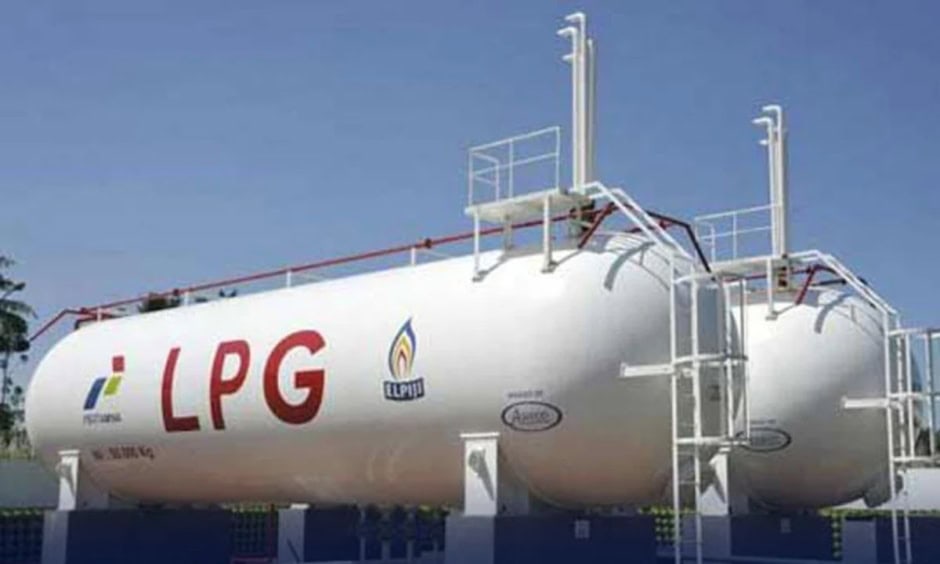
More than 800 of the roughly 2,000 LPG bowsers operating across the country do not meet required standards, according to Ministry of Petroleum documents that outline new LPG policy guidelines.
Under the policy, a hydrocarbon testing system will be set up at entry points to check the quality of imported LPG.
The target is to complete the system by June 30, 2027. The Oil and Gas Regulatory Authority (OGRA) will also conduct regular audits of licensed companies, covering their sales, storage facilities, cylinders and filling capacity.
The policy also includes a plan to expand LPG storage and import facilities. It proposes a new LPG terminal at Port Qasim with a capacity of 40,000 metric tons. The first phase would provide storage for 10,000 to 12,000 metric tons, and land and a berth would be allocated for the project.
A proposal to give the new terminal access to the jetty of Sui Southern Gas Company (SSGC) is also under consideration. To allow ships of 25,000 deadweight tons to arrive, dredging of the shipping channel will be reviewed.
The policy changes the way prices are set and the way company profits are determined. The import price will include freight, insurance, import premium, other costs and taxes. Local LPG producers will be paid a fixed price, and any additional amount will be deposited in a fund account.
Importing and marketing companies are proposed to be allowed to set their own profit margins and freight charges. State-owned companies will also be able to sign agreements for government-level LPG imports.