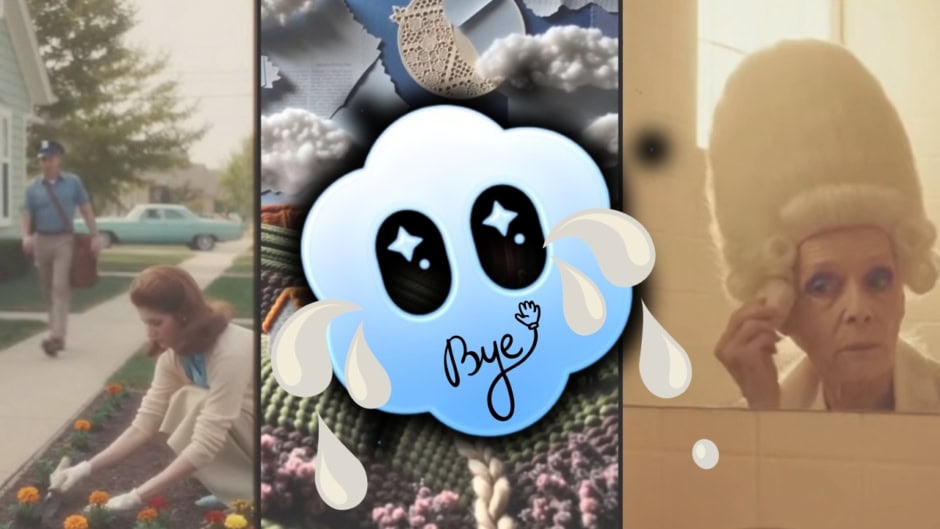
OpenAI has announced it is shutting down Sora, its AI-powered text-to-video generation tool, less than a year after its public launch. The company confirmed in a post on X that both the consumer app and the API will be discontinued, though a specific closing date has not yet been announced.
We’re saying goodbye to the Sora app. To everyone who created with Sora, shared it, and built community around it: thank you. What you made with Sora mattered, and we know this news is disappointing.
We’ll share more soon, including timelines for the app and API and details on…
— Sora (@soraofficialapp) March 24, 2026
Sora launched to enormous hype and viral engagement, producing AI-generated videos that stunned the internet with their quality and coherence. But the excitement faded quickly. Analytics firm Appfigures tracked a steady decline in downloads and user spending in the months following launch.
The app reportedly lost 32% of new installs in December compared to November, a steep drop during what is typically the strongest period for consumer apps. The downward trend continued into 2026, signaling that initial curiosity had not converted into sustained usage.
The computational costs of running Sora were a major factor in the decision. The text-to-video model required massive GPU resources to generate high-quality clips, and OpenAI leadership had previously acknowledged that the consumption rates were effectively burning through hardware at an unsustainable pace. The company was forced to impose usage limits, and the economics of maintaining the infrastructure at scale grew increasingly difficult to justify against declining user numbers.
According to internal reports, the company is redirecting resources toward world simulation research and robotics applications, framing the pivot as a move toward solving real-world problems rather than producing creative consumer tools. The shift aligns with OpenAI’s broader trajectory in 2026, where enterprise and productivity solutions built on newer GPT models have become the company’s primary revenue drivers. The competitive landscape has also intensified, with Anthropic and other rivals making significant inroads in the enterprise AI market.
The shutdown has also cost OpenAI a high-profile partnership. Disney had been in discussions to integrate Sora-generated content into its platforms, including Disney Plus. Reports indicate that Disney has now backed out of a potential $1 billion deal. A spokesperson said the decision was surprising, though no money had exchanged hands before the deal collapsed.
OpenAI is reportedly operating under significant financial pressure, with losses running into billions of dollars this year. The company is paying returns to private investors while reportedly considering a public listing. Cutting compute-intensive products like Sora may be part of a broader effort to stabilize finances and focus on AI products that generate revenue at scale.
The death of Sora follows a familiar pattern in consumer AI: a splashy launch generates massive attention and viral moments, but the underlying economics of running resource-intensive models for individual users prove unsustainable once the novelty wears off.
For OpenAI, the lesson appears to be that the future of the company lies not in giving consumers AI toys but in selling AI infrastructure to businesses willing to pay enterprise prices for it.