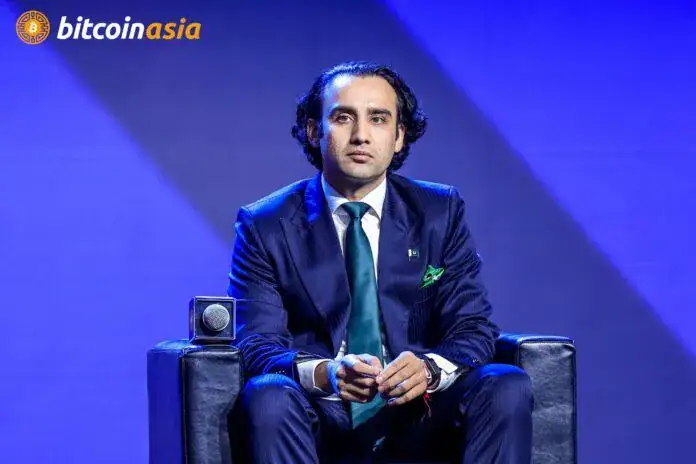
Pakistan has established its new virtual asset regulatory regime in less than six months while using only 8% of the approved budget allocated for the initiative, Minister of State and Pakistan Virtual Assets Regulatory Authority (PVARA) Chairman Bilal Bin Saqib said.
Speaking at Bitcoin Asia 2026 in Hong Kong on August 28, Saqib revealed that approximately $200,000 was spent to build and operationalize the country’s new crypto regulatory framework, leaving around 92% of the approved budget unused.
Saqib said the government should measure success by what it delivers rather than by the amount of money it spends.
Pakistan moved from primary legislation to notified regulations and a functioning licensing regime in less than six months, creating a formal regulatory pathway for companies operating in the digital asset sector.
The framework covers several virtual asset activities, including exchanges, custody, brokerage, asset management, lending, and settlement. It also introduces requirements related to governance, anti-money laundering and counter-terrorism financing, customer asset protection, cybersecurity, and market conduct.
Saqib said the PVARA rollout demonstrates how governments can use smaller teams and technology-driven processes to respond more quickly to rapidly developing industries.
He emphasized that government institutions need to maintain a balance between speed, accountability, structure, and consumer protection.
According to Saqib, technological developments are moving rapidly, requiring governments to modernize their regulatory processes without compromising oversight.
Saqib also outlined Pakistan’s broader ambitions for the emerging digital economy, including tokenized markets, programmable payments, stablecoins, machine-to-machine commerce, and artificial intelligence agents.
He said future financial systems could involve AI agents conducting transactions on behalf of individuals, businesses, and machines, creating new regulatory questions concerning financial authority, identity, compliance, and consumer protection.
Saqib indicated that future regulation may need to address transactions involving autonomous AI systems alongside existing virtual asset service providers.
The PVARA chairman said Pakistan does not necessarily need to spend years catching up with larger economies in emerging technologies and can instead build new financial infrastructure at the frontier.
The country’s large population and growing technology sector could provide a significant market for digital asset and financial technology businesses.
The immediate challenge for PVARA will be to attract legitimate digital asset companies while ensuring that consumer protection, compliance, and regulatory oversight remain effective.
Pakistan’s transition from legislation to a live virtual asset licensing framework in less than six months, using only a small portion of its approved budget, marks a significant step in the country’s effort to formalize the digital asset sector.