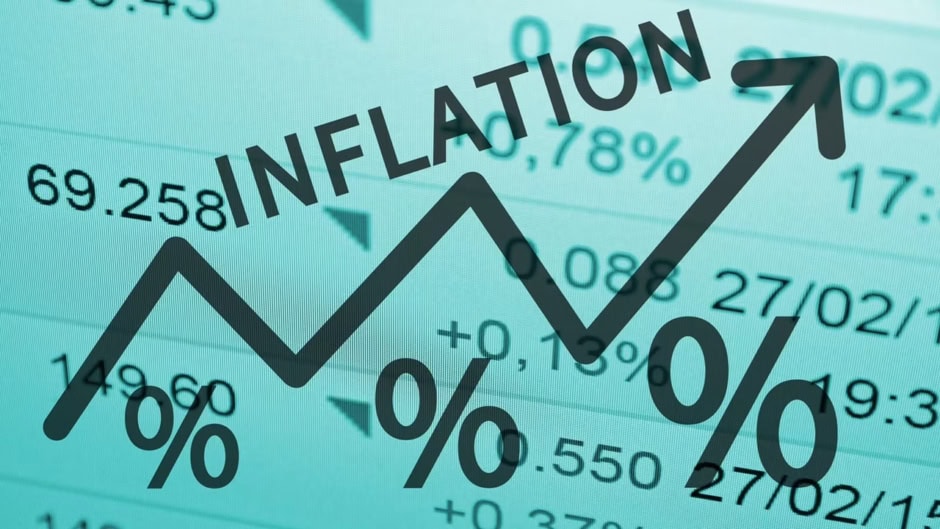
Short-term inflation in Pakistan has risen sharply, with the Sensitive Price Index (SPI) recording a 13.98% year-on-year increase for the week ending April 23, according to the Pakistan Bureau of Statistics Pakistan Bureau of Statistics.
The latest data shows that rising prices of energy products and essential food items were the main drivers behind the inflation surge, placing additional pressure on household budgets across the country.
Electricity costs saw a dramatic 54% increases, while Liquefied Petroleum Gas (LPG) rose 51%. Petrol prices increased by 44%, and diesel by 37%, contributing to a broad-based rise in transportation and utility costs.
Officials said the surge in energy prices has had a cascading effect across the economy, increasing production and distribution costs for essential goods.
Alongside energy inflation, food prices continued to climb. Wheat flour increased by 36%, onions by 32%, and tomatoes by 23%. Prices of meat and milk also recorded notable increases during the week.
The combined rise in both food and non-food categories has intensified cost-of-living pressures for households nationwide.
Analysts say the inflation trend reflects persistent economic strain, with both perishable and non-perishable goodsaffected. Even recent reductions in petrol and diesel prices have not been enough to offset earlier spikes, as overall fuel costs remain significantly higher than pre-conflict levels in global energy markets.
Authorities noted that inflationary pressures remain strong across retail markets, with little immediate relief visible for consumers in the short term.