The Ministry of Commerce in Pakistan has officially notified six land routes to facilitate the transportation of goods to Iran. This crucial move comes as thousands of Iran-bound containers remain stuck at Pakistani ports. The ongoing blockade of the Strait of Hormuz and Iranian ports forced the government to establish alternative trade corridors.
Consequently, officials issued the ‘Transit of Goods through Territory of Pakistan Order 2026’. This regulatory order officially took effect on April 25.
The Ongoing Crisis & Port Blockades
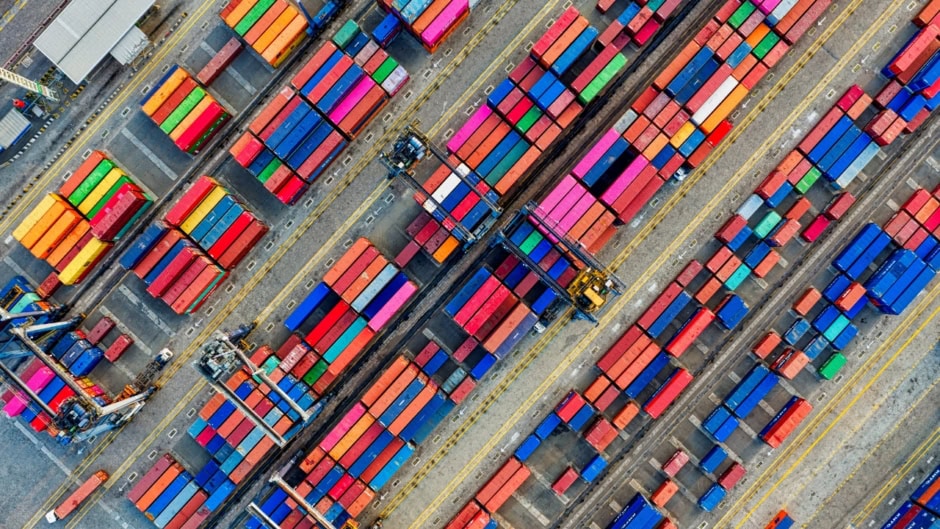
Currently, more than 3,000 containers destined for Iran sit stranded at the Karachi port. During peacetime, the Strait of Hormuz handles one-fifth of the world’s oil and gas supply. However, recent geopolitical tensions severely disrupted this vital passage.
The logistical crisis stems directly from the US-Iran conflict, which escalated following US-Israeli strikes on Iran on February 28. Fortunately, a ceasefire remains active, pausing the direct conflict for now. Meanwhile, businesses desperately need these new land corridors to bypass the naval blockades and keep supply chains moving.
Approved Transit Routes to Iran
To resolve the bottleneck, the government designated specific transit paths. These routes strictly handle goods arriving from third countries and passing through Pakistani territory to reach Iran.
| Route Number | Approved Transit Path |
|---|---|
| Route 1 | Gwadar – Gabd |
| Route 2 | Karachi/Port Qasim – Lyari – Ormara – Pasni – Gabd |
| Route 3 | Karachi/Port Qasim – Khuzdar – Dalbandin – Taftan |
| Route 4 | Gawadar – Turbat – Hoshab – Panjgur – Nagg – Besima – Khuzdar – Quetta/Lakpass – Dalbandin – Nokundi – Taftan |
| Route 5 | Gwadar – Liari – Khuzdar – Quetta/Lakpass – Dalbandin – Nokundi – Taftan |
| Route 6 | Karachi/Port Qasim – Gwadar – Gabd |
New Customs Rules & Regulatory Framework
The new transit order operates under the Imports and Exports (Control) Act of 1950. Furthermore, it fulfills the obligations of a 2008 bilateral road transport agreement between Pakistan and Iran. The Federal Board of Revenue (FBR) and the Customs Act of 1969 will heavily regulate the entire process.
To use these routes, shippers and traders must follow strict guidelines. First, they must provide Customs Security. This requires submitting an encashable financial bank guarantee equal to Pakistan’s standard import levies. Authorized brokers can submit this documentation on behalf of the traders.
Additionally, the new order officially permits “cross-stuffing”. Carriers can legally transfer goods from one container to another, provided they follow standard customs regulations. Finally, the law clearly defines the transit scope. These regulations only apply when the passage across Pakistan represents just one portion of a complete journey that begins and ends beyond Pakistani borders.