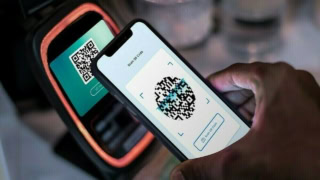
The Pakistan government has proposed establishing a centralised digital merchant database. This move aims to improve real-time transaction visibility across the country. Furthermore, it will accelerate Pakistan’s transition toward a cashless economy.
Minister of State for Finance Bilal Azhar Kayani chaired a high-level review meeting regarding this proposal at the Finance Division on Wednesday. Senior officials from the Ministry of Finance, State Bank of Pakistan (SBP), NADRA, Capital Development Authority (CDA), and the Ministry of IT and Telecommunication attended the session. Private-sector stakeholders also joined the discussion to assess progress under Prime Minister Shehbaz Sharif’s Cashless Pakistan Initiative.
Massive Surge in Digital Transactions
During the meeting, participants reviewed the financial progress made over the previous year. The data revealed a massive surge in digital adoption. Annual digital transactions jumped from 6.9 billion to a staggering 11.3 billion.
Meanwhile, active merchants accepting digital payments multiplied fourfold. They grew from roughly 500,000 to more than two million. Additionally, digital banking users officially crossed the 135 million mark.
Consequently, the meeting proposed the centralised merchant database to strengthen the monitoring of these transactions. This database will also facilitate wider merchant adoption nationwide.
Upgrading the Cashless Dashboard with Centralised Digital Merchant Database
To support this rapid growth, participants discussed introducing new analytical indicators to the national Cashless Dashboard. This upgrade will significantly improve real-time monitoring, transparency, and performance assessment. Accordingly, Minister Kayani directed officials to initiate the process of setting annual performance targets for the Cashless Dashboard for the current fiscal year.
The government also reviewed the progress of digitising payments made by State-Owned Enterprises (SOEs) and autonomous bodies. They reiterated their primary objective to fully digitise all vendor, employee, and pension payments.
Seamless G2P Payments & Z-Wallet
Pakistan has already made significant progress in digitising government-to-person (G2P) payments. Currently, centralised and self-accounting entities process approximately 75% of G2P payments digitally.
Recently, the government launched the Z-Wallet initiative. Minister Kayani stated that the government is actively working to ensure citizens have at least one digital payment option for every single government-to-person transaction. This mandate includes toll taxes, motor vehicle licence payments, and utility bills.
Moving forward, the meeting stressed the urgent need to simplify digital payment user journeys. Citizens must be able to make seamless payments across different government and private-sector touchpoints. To achieve this, participants discussed strategies to expand merchant adoption. They also highlighted the need to strengthen coordination between regulators, financial institutions, and fintech companies.
Ultimately, Kayani reaffirmed the government’s strict commitment to building a transparent and documented economy. He confirmed that regular reviews will continue to ensure the swift implementation of the cashless agenda and sustain the momentum of Pakistan’s digital transformation.