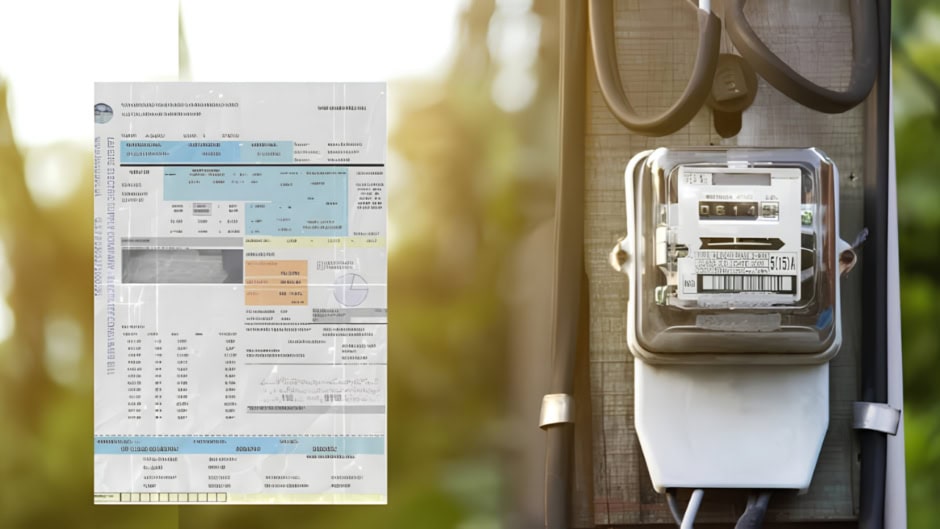
The Government of Pakistan has proposed limiting the rise in the monthly Fuel Cost Adjustment (FCA) on electricity bills to around PKR 0.83 per unit above September’s level, including taxes. The Power Division said on Thursday, November 26, that the proposed cap would cover October through December 2026 and still requires approval.
Pakistan generates less hydropower in winter, increasing its reliance on thermal power plants. According to the Power Division, thermal fuels account for more than 80% of electricity generation in some winter months. That seasonal shift typically raises the cost of producing electricity.
This year, the Iran-US war has added to that pressure. The division said the conflict drove up international prices for coal and regasified liquefied natural gas (RLNG) in particular. With thermal plants supplying a larger share of winter electricity, those higher prices could push monthly fuel adjustments up substantially.
How the Proposed Fuel Cost Adjustment Cap Would Work
The Power Division’s proposed Forward-Looking Fuel Cost Adjustment (FFCA) mechanism uses the September 2026 FCA as its baseline. Under the proposal, the monthly adjustment for October through December could rise by around PKR 0.83 per unit above that figure. The amount includes taxes and applies specifically to the fuel adjustment component of the bill.
The division said it had already taken steps to limit fuel costs between April and September 2026. It monitored fuel prices, implemented a publicly announced load management plan, and adjusted how it used available fuel supplies. It estimates those steps helped consumers avoid a potential additional FCA increase of PKR 6-7 per unit. Over those six months, the combined increase from the FCA and the Quarterly Tariff Adjustment (QTA) averaged PKR 2.38 per unit, including taxes.
The Power Division said the winter proposal aims to keep tariffs stable and limit the impact of international fuel price shocks on consumers. Once the government secures the required approvals, the division will issue policy guidelines to the National Electric Power Regulatory Authority (NEPRA) to implement the mechanism.