
Pakistan is preparing to launch a government developed secure messaging platform named BEEP, aimed at providing encrypted communications for public sector employees. The update was shared during a meeting of the National Assembly Standing Committee on Information Technology, where National Information Technology Board (NITB) CEO Faisal Iqbal Ratyal briefed lawmakers on the application’s development and security status.
According to Ratyal, the BEEP application has been fully developed and certified by all relevant government agencies. The National Computer Emergency Response Team has formally declared the app secure, clearing it for official deployment. He told the committee that BEEP offers stronger security features than commonly used messaging platforms, including full encryption for both text messaging and video calls.
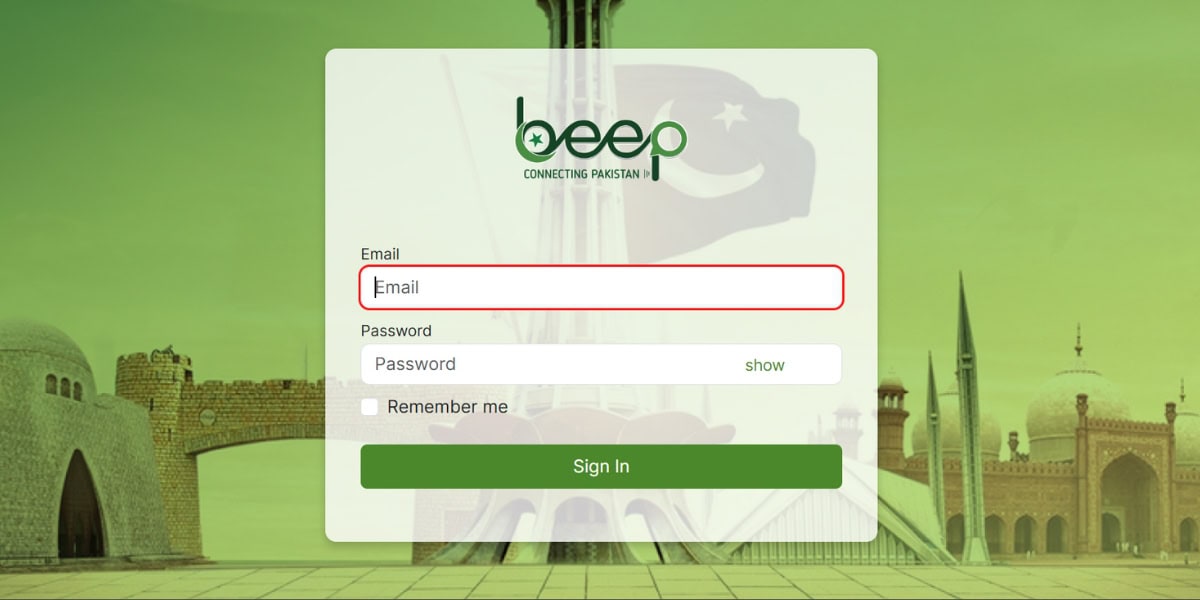
Ratyal explained that while popular apps such as WhatsApp encrypt messages, BEEP extends end to end encryption to video communications as well, making it suitable for sensitive government discussions. The application will be launched in phases, with federal ministries set to be the first users. Officials expect the rollout to take place within the next two months.
The move mirrors a growing global trend, particularly in neighboring India, which has also introduced a WhatsApp parallel messaging platform for government and office use. India’s secure communication apps were developed to reduce reliance on foreign platforms for sensitive state communication, a goal Pakistan is now pursuing through BEEP as part of its broader digital sovereignty and cybersecurity strategy.
The NITB CEO confirmed that BEEP will operate on a usage based fee model, with efforts underway to make the platform financially self sustaining. However, Secretary for IT and Telecommunication emphasized that revenue generation is not the core objective. Instead, the priority is to ensure secure, efficient, and reliable communication across government institutions. The app will also be integrated with Pakistan’s federal e Office system to support official workflows and documentation.
During the meeting, the committee chairman praised NITB’s technical work but raised concerns over the visibility of the Punjab Information Technology Board at the federal level despite NITB’s mandate. The IT Secretary acknowledged that uncertainty surrounding NITB’s future over the past year had affected performance but said the organization is now fully operational again.
Officials assured lawmakers that NITB’s performance will improve significantly moving forward, positioning BEEP as a means for Pakistan to secure digital governance framework. Experts hope this initiative will align the country with regional efforts to protect state communications in an increasingly complex cyber threat landscape.
Pakistan’s move also follows a regional precedent. India has already introduced its own government only WhatsApp alternative for official communication, developed to reduce dependence on foreign platforms and safeguard sensitive state data. The Indian government messaging system, called Arattai by Zoho, is used across ministries and public offices for internal coordination, file sharing, and secure discussions. Officials there have cited national security, data sovereignty, and compliance control as key reasons for shifting away from commercial messaging apps.