Recently, details presented before the National Assembly revealed a massive financial crisis. Specifically, Pakistan’s combined circular debt across the power and gas sectors has officially crossed PKR 5 trillion. Consequently, the financial strain on the country’s energy chain continues to mount at an alarming rate.
The Mounting Circular Debt Crisis in the Power & Gas Sectors
The financial data shows a sharp upward trend across both sectors over the last year. Currently, the combined burden across both sectors totals an overwhelming Rs. 5,306 billion.
| Sector | Debt as of June 30, 2025 (PKR) |
Debt as of June 30, 2026 (PKR) |
Annual Increase (PKR) |
| Power Sector | Rs. 1,641 billion | Rs. 1,675 billion | Rs. 34 billion |
| Gas Sector | Rs. 3,288 billion | Rs. 3,631 billion | Rs. 344 billion |
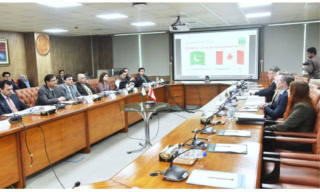
The Power Division briefed the Assembly about the power sector’s growing burden. Officials attributed this Rs. 34 billion rise mainly to K-Electric. Specifically, the company failed to pay for electricity supplied directly from the national grid. Currently, a case for the recovery of these dues remains pending in court.
To rein in this mounting debt, the government took decisive action. Authorities officially ended their take-and-pay agreements with independent power producers (IPPs). Instead, they introduced a new hybrid take-and-pay model. Meanwhile, 15 villages in Dera Ismail Khan still remain entirely without electricity. Authorities have prepared a power supply project for the current fiscal year. However, its completion heavily depends on the release of funds and the availability of essential equipment.
Simultaneously, the Petroleum Division shared even more concerning numbers regarding the gas sector. The circular debt here rose sharply over the past year. Furthermore, officials confirmed a critical detail about this massive figure. Specifically, this gas sector debt includes Rs. 1,783 billion in late-payment surcharges alone.
Updated Hydrocarbon Reserves
Finally, the Petroleum Division shared updated figures regarding the country’s hydrocarbon resources. The table below outlines the current national reserves and active production levels:
| Resource Type | Total Recoverable Reserves | Current Production |
| Natural Gas | 68,803 billion cubic feet | 48,140 billion cubic feet |
| Crude Oil | 1,378 million barrels | 1,102 million barrels |