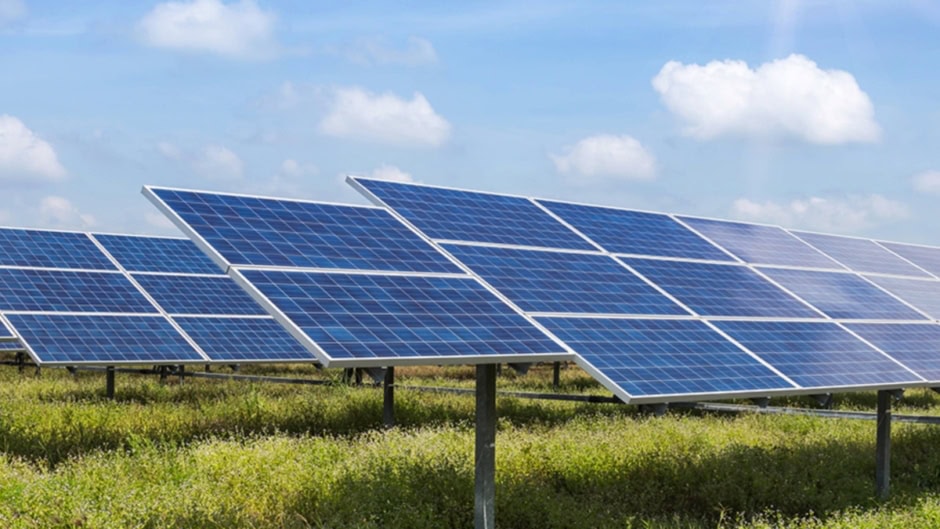
Over the past few years, Pakistan has witnessed one of the most dramatic shifts in its energy landscape since the advent of large-scale thermal power generation. Solar energy, once considered a niche or supplementary solution, has rapidly become a mainstream electricity source for households, commercial entities, and even small industries. This transformation has not been driven by ideology alone, but by necessity. Skyrocketing electricity tariffs, persistent load shedding, and the declining affordability of grid-based power have pushed consumers to take energy matters into their own hands.
At the heart of this solar boom lies a consumer-led revolution. Falling global solar panel prices, largely the result of Chinese manufacturing overcapacity, have compressed system payback periods to under three years in many cases. Combined with government incentives such as tax exemptions and net metering policies, solar adoption has surged at a pace few anticipated. Net-metered capacity has expanded rapidly, rooftops across urban and rural Pakistan are now dotted with panels, and solar has quietly emerged as one of the country’s leading electricity sources.
This consumer-led revolution has provided some unexpected upsides wherein the small commercial activity at far ends of the grids which would normally be prone to outages, voltage and frequency fluctuations e.g. milk collection centers, small welding shops, tubewells, etc. now have a reliable power source for a more reliable business operations. Similarly in the agriculture sector, farmers who once had to stop watering portions of their fields due to high diesel cost and low selling price of crops are now revitalizing their lands because of “free water” from solar water pumps. In the residential sector, while affluent neighborhoods have opted for net metering, low income households have opted for small battery based options for reliable electricity during daytime.
This trend mirrors a broader global shift. Across emerging and developed markets alike, solar is increasingly seen as a hedge against volatile energy prices and geopolitical disruptions. For Pakistan, heavily reliant on imported fossil fuels like coal and RLNG, solar offers an opportunity to reduce exposure to global price shocks while easing pressure on foreign exchange reserves. The cumulative impact is already visible: declining demand for imported fuels and a gradual move toward decentralized, behind-the-meter power generation.
However, this rapid adoption has also exposed structural weaknesses within Pakistan’s power sector. The national grid, aging, centralized, and designed for one-way power flows, was not built to handle a sudden influx of distributed solar generation. In several urban centers, transformers are under strain, and projections suggest that solar output could exceed grid demand during off-peak periods. Without timely investment in grid modernization, smart management systems, and energy storage, these technical stresses could undermine system stability.
Policy uncertainty has further complicated matters. Proposed reforms to net metering, particularly the possibility of reducing the buyback rate for exported solar energy from around PKR 27 per unit to as low as PKR 10, have unsettled both consumers and investors. While policymakers are understandably concerned about revenue erosion at distribution companies, abrupt changes risk slowing momentum at a time when Pakistan can least afford energy indecision. Stability and clarity in policy are essential to sustain investor confidence and allow consumers to plan long-term.
Financial pressures within the broader power sector remain another pressing challenge. As more and more consumers migrate toward solar and draw less power from the grid, fixed costs, such as capacity payments to idle power plants, become an increasing financial burden on the grid operators. This dynamic deepens the circular debt crisis which is an economic crisis brewing for the future.
The market itself faces quality and capacity issues. A flood of imported panels, some counterfeit or substandard, has made it difficult for consumers to distinguish reliable products. At the same time, shortages of skilled technicians and limited investment in research and development threaten the long-term efficiency and safety of installations. While local manufacturing initiatives are emerging, Pakistan remains heavily dependent on imported components, leaving the sector vulnerable to currency volatility and global supply chain disruptions.
Looking ahead, global conditions may add another layer of complexity. Rising raw material prices, particularly Silver, and ending of tax rebates for solar panel manufacturers in China are expected to push solar module prices upward in early 2026. While solar will remain competitive relative to grid electricity, these increases underscore the need for strategic planning, local value addition, and timely procurement.
Despite these challenges, the path forward is clear. For individuals and businesses, solar, especially when paired with battery storage, offers resilience, predictability, and long-term savings in an era of energy uncertainty. For policymakers, the task is to align regulation, grid upgrades, and financial reform with the reality of a decentralized energy future. Decentralized future can expand the industrial base as factories will not be limited to grid access and can be installed closer to raw material source. If managed wisely, Pakistan’s solar surge can evolve from a survival response into a cornerstone of sustainable economic growth.