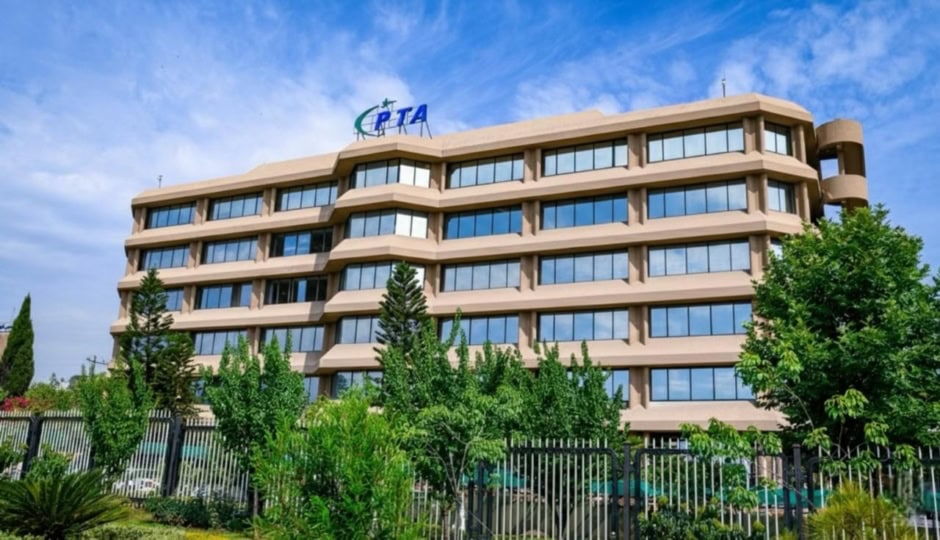
Pakistan’s telecom regulator has updated the rules that govern how Internet of Things services operate across the country. The Pakistan Telecommunication Authority has revised its IoT and Short Range Devices framework to provide clearer regulatory guidance and support long-term industry growth.
The updated framework allows IoT services to operate through both licensed and shared spectrum. PTA said services may use unlicensed or shared bands, including those used for Low Power Wide Area Networks, on a non-interference and non-protection basis. Services may also run through exclusively assigned or licensed frequency bands, depending on use cases.
Licensed and Shared Spectrum Explained
PTA has divided IoT service provisioning into two main categories based on frequency of usage.
Services using licensed or exclusively assigned bands include cellular mobile operators and other licensees holding spectrum assigned by PTA or FAB. These operators may offer IoT services under existing license conditions. Exclusive IoT spectrum in other bands will be assigned on a case-by-case basis, while mission-critical services must use licensed bands.
Services using shared spectrum cover short-range devices, ultra-wide bands, and long-range IoT services. Long-range deployments will operate under a new LPWAN license category issued by PTA.
License-Exempt Devices and Operating Rules
IoT, SRD, and UWB devices using approved shared bands will remain license-exempt. However, PTA has imposed strict operating conditions, including:
- Compliance with defined power limits, parameters, and operating conditions
- Mandatory type approval under section 29 of the Act
- Operation on a secondary, non-interference, non-protection basis
- Immediate shutdown if harmful interference is reported
UWB applications that may cause widespread interference will be reviewed individually and require FAB approval.
LPWAN License Conditions
PTA will issue LPWAN licenses under the CVAS regime for long-range IoT services. Licensees must follow PTA and FAB site clearance procedures, register all gateways, and submit updated gateway lists every six months.
Key conditions include shared and non-exclusive spectrum use, tolerance of interference, and immediate suspension if primary services are affected. Backend traffic must be routed through PTA-licensed Local Access Providers, while data storage outside Pakistan will require prior approval. Licensees must launch services within one year, or the license will be cancelled.
R&D Testing Without Commercial Use
For non-commercial research and testing, companies, academia, government bodies, and law enforcement agencies may use IoT LPWAN bands without a license. Testing is limited to 10 devices per model and allowed for six months under PTA approval. Extended trials will require a full LPWAN license.
PTA said enforcement teams and FAB will inspect trial setups to ensure compliance. The revised framework aims to encourage IoT innovation while protecting spectrum and national interests.