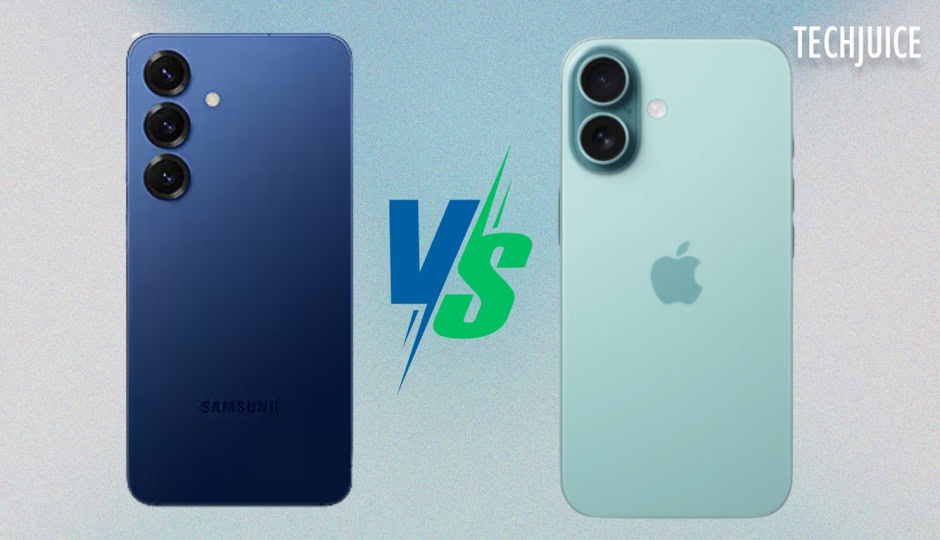
The rivalry between Samsung and Apple rages on with the introduction of the Samsung Galaxy S25 and iPhone 16, two flagship devices that guarantee exceptional performance, elegant design, and cutting-edge features. The battle between these two devices, both priced the same and striving for market supremacy, has reached an unprecedented level of intensity. Which option shines as the superior selection? Let’s dive into a comprehensive comparison of the essential features of two flagship devices.
Feature Comparison
Display
The Samsung Galaxy S25 uses a 6.2-inch Dynamic AMOLED screen which supports 120Hz adaptive refresh rate to deliver better scrolling performance alongside enhanced responsiveness. The iPhone 16 features a 6.1-inch OLED display with a 60Hz refresh rate but this rate falls short of Samsung’s adaptive 120Hz refresh rate. The Samsung Galaxy S25 offers superior display performance because its 2600-nit peak brightness exceeds Apple’s 2000-nit peak brightness thus providing better outdoor visibility.
Performance
The iPhone 16 runs its A18 Bionic chip whereas the Galaxy S25 operates with Qualcomm’s Snapdragon 8 Elite processor. The 3nm technology foundation behind these two mobile devices guarantees exceptional performance quality. The new Samsung chipset with 12GB of RAM provides exceptional multitasking abilities and gaming performance though Apple prefers leading benchmark performance tests traditionally. However, the Snapdragon 8 Elite has been reported to overheat under stress.
Software
Apple iOS 18 maintains its refined and protected state through Apple Intelligence features while offering enhanced Siri functionality together with artificial intelligence task assistance. The Samsung One UI 7 operating system (based on Android 15) delivers deep customization options and merges with Gemini AI to deliver an intelligent AI-driven user experience. Among users seeking flexibility and customization options the Samsung One UI outshines other alternatives but Apple excels at delivering smooth ecosystem unification.
Camera
The Galaxy S25 by Samsung features three camera sensors that include a 50MP primary camera alongside a 12MP ultra-wide and a 10MP telephoto model with 3x optical zoom capabilities. The iPhone 16 contains two cameras with a 48MP main sensor joined by a 12MP ultrawide sensor instead of optical zoom it uses digital cropping. Apple’s superior video recording capability includes 4K Dolby Vision HDR while Samsung offers advanced LOG video recording for professional-level editing.
Battery
The Galaxy S25 has a larger battery with 4000mAh whereas the iPhone 16 contains a 3561mAh battery capacity. Real-world benchmarks indicate that the Samsung device delivers extended screen usage because of its expansive battery capacity and optimized power management systems. The charging times match up each other as they support 25W wired charging along with 15W wireless charging capabilities. However, Apple MagSafe feature provides users with enhanced accessory compatibility.
Price
The standard version of the Samsung Galaxy S25 and iPhone 16 debuts at a price of $799, featuring 128GB of storage. Those opting for the Galaxy S25 Plus will shell out $999 at the time of purchase, whereas iPhone 16 Plus purchasers will part with $899 for their device. Customers enjoy exceptional value from Samsung, as they receive enhanced hardware along with increased base RAM on their devices, all while aligning with the pricing of the iPhone 16.
Samsung Galaxy S25 vs iPhone 16
| Feature | Samsung Galaxy S25 | iPhone 16 |
| Display | 6.2-inch AMOLED, 120Hz | 6.1-inch OLED, 60Hz |
| Processor | Snapdragon 8 Elite | A18 Bionic |
| RAM | 12GB | 8GB |
| Storage | 128GB (UFS 4.0) | 128GB (NVMe) |
| Main Camera | 50MP + 12MP (ultrawide) + 10MP (3x telephoto) | 48MP + 12MP (ultrawide) |
| Battery | 4000mAh | 3561mAh |
| Charging Speed | 25W wired, 15W wireless | 25W wired, 15W wireless, MagSafe |
| Software | Android 15 (One UI 7) | iOS 18 |
| Starting Price | $799 | $799 |
Which Device Should You Choose?
Choose the Samsung Galaxy S25 if:
- You prioritize a display with high refresh rates to create smooth animations for scrolling and gaming.
- You need a larger battery for extended use, as the S25’s 4000mAh battery outlasts the iPhone 16 in most tests.
- You prefer a camera system that includes a telephoto lens allowing optical zoom capabilities and better AI-controlled image processing.
- You enjoy customization options, as Samsung’s One UI 7 allows more control over themes, icons, and layout than iOS 18.
- You want an AI enhancement system for more efficient across multiple tasks.
Choose the iPhone 16 if:
- You prefer iOS because it provides perfect integration across your entire Apple equipment which includes iPad, Mac and Apple Watch.
- You prioritize a more secure ecosystem, as Apple’s closed environment provides stronger security against malware and data breaches.
- You value long-term software support, with Apple normally offers updates extending beyond five years or more.
- You need industry-leading video recording capabilities, as Apple’s 4K Dolby Vision HDR recording is preferred by professionals and content creators.
- You value Apple-exclusive accessories including MagSafe because they provide a comfortable and dependable wireless charging solution.
Both smartphones are exceptional in their own right, catering to different types of users. If you’re deeply invested in Apple’s ecosystem, the iPhone 16 remains a strong contender. However, if you want a more feature-rich experience at the same price, the Samsung Galaxy S25 offers better overall value. The final decision depends on your ecosystem preference and specific needs.