By Tech Desk|2 years ago |

Systems Limited (PSX: SYS) reported a profit of Rs7.46 billion [EPS: Rs25.55], reflecting a 14.14% decline compared to Rs8.69 billion [EPS: Rs29.86] in the previous year.
The company declared a final cash dividend of Rs6 per share (60%) for the year ended December 31, 2024.
Systems Limited previously reported a consolidated profit after tax (PAT) of Rs5,432 million (Earnings Per Share: Rs18.6) for the nine months ending September 30, 2024 (9MCY24).
In 3QCY24, the effective taxation for the corporation was 9.9 percent, whereas in SPLY, it was 6.4%. As of this year, higher tax rates are applied in the UAE region, which led to this increase in taxes.
Sharing clear, practical insights on tech, lifestyle, and business. Always curious and eager to connect with readers.
Related Posts
Goldman Sachs Predicts Brent Oil at $105 by December
By Sabica Tahira|19 minutes ago|
3 min read
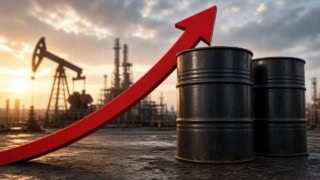
Goldman Sachs has increased its Brent crude oil price forecast for December 2026 to an average of $105 per barrel, up from its previous estimate of $90, citing growing risks to global oil supplies. The revised forecast represents an increase of nearly 17%. The bank has also raised its 2027 average Brent price outlook to $88 per barrel from $80. Other major financial institutions have also issued higher oil price projections. ANZ expects Brent crude to reach $105 per barrel by the end of 2026, while UBS forecasts prices of around $110. The higher estimates come despite reports that oil flows from the Persian Gulf have returned to pre-war levels. Analysts believe that prolonged disruptions in Middle Eastern supplies have weakened the market’s ability to absorb further shocks. Goldman Sachs analyst Daan Struyven said a sustainable diplomatic agreement between the United States and Iran would be needed to quickly remove the additional risk premium from oil prices. However, the chances of a deal by the end of the year remain uncertain despite recent diplomatic contacts. Higher crude oil prices could create additional pressure on Pakistan, which relies heavily on imported petroleum products. A rise in international oil prices may make it harder for the government to maintain domestic petrol and diesel prices without further adjustments to taxes and levies.
Pakistan Announces New Digital Wallet for Traders
By Sabica Tahira|35 minutes ago|
3 min read
Pakistan is planning to introduce a new Unified Payment System (UPS) that will allow importers and exporters to pay customs duties, taxes, and other trade-related charges through a pre-funded digital wallet. The Pakistan Single Window (PSW) is developing the system to make cross-border trade payments easier, faster, and more transparent. The wallet will be operated by a licensed bank or fintech company under a framework approved by the State Bank of Pakistan (SBP). Under the proposed system, traders will be able to add funds through inter-bank fund transfers (IBFT), Raast, banking apps, online portals, and over-the-counter deposits. They will also be able to withdraw funds remotely. The wallet will allow businesses to make payments against payment advice generated through PSW-linked services, including customs clearance, maritime trade, port operations, and air cargo systems. A licensed service provider will manage customer funds, deposits, withdrawals, refunds, and payment settlements. PSW itself will not directly hold or manage customers’ money. The new wallet will be introduced as an additional payment option alongside existing Pre-Deposit (PD) accounts and banking channels. Existing PD accounts will not be replaced or transferred to the new system. The initiative is expected to help traders manage multiple payments through a single balance, track transactions, and improve payment reconciliation, making Pakistan’s cross-border trade processes more efficient.
Govt Reserves 10% of Local LPG for Remote Areas
By Sabica Tahira|50 minutes ago|
4 min read
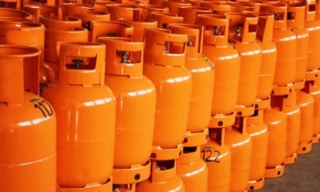
The federal government has proposed reserving 10% of Pakistan’s locally produced liquefied petroleum gas (LPG) for remote and hard-to-reach areas to ensure uninterrupted fuel supplies. Under the proposed reforms, exploration and production companies, refineries and other domestic LPG producers will allocate 10% of their production to state-owned marketing companies at producer prices. The allocation will primarily support Northern Areas, Gilgit-Baltistan and other remote and hilly regions where households depend on LPG cylinders and existing air-mix plants. The remaining 90% of locally produced LPG will be sold through transparent monthly auctions to bottlers prequalified by the Oil and Gas Regulatory Authority (OGRA). The auction floor price will be set 5% below Pakistan State Oil’s (PSO) import-parity price. Prequalification will consider companies’ investment in storage and infrastructure, cylinder availability, geographical coverage and operational capacity. The proposed framework will also include safeguards against cartelisation. A special provision allows PARCO to allocate 75% of its auctionable share to its subsidiary, PARCO Pearl Gas Limited (PPGL), while the remaining 25% will be offered through monthly auctions. LPG Demand Expected to Increase According to the government summary, Pakistan’s LPG market currently stands at around 2.4 million metric tons annually and has expanded at an average annual rate of 7.5% over the last six years. Demand is projected to grow by 8% to 8.5% annually as households increasingly depend on LPG amid declining domestic natural gas production and restrictions on expanding the piped gas network. More than 10 million households are connected to the piped natural gas network, while over 25 million households, particularly in remote areas, rely on alternative fuels, including LPG. A KPMG analysis cited in the government summary projects LPG demand to increase from 2.4 million tons in FY2025-26 to 4.16 million tons by FY2032-33. Meanwhile, domestic production is expected to rise from 0.96 million tons to 1.35 million tons, leaving imports to cover the growing supply gap. LPG imports are projected to increase from 1.4 million tons to 2.8 million tons by 2033. The government estimates that approximately 71% of current LPG supplies are imported, highlighting Pakistan’s dependence on international markets to meet domestic demand.
Govt Warns Banks of Action Over Delayed Loans to Farmers, SMEs and Homebuyers
By Sabica Tahira|3 hours ago|
2 min read
Prime Minister Shehbaz Sharif has directed the State Bank of Pakistan (SBP) and the Finance Ministry to take action against banks delaying loans to farmers,.