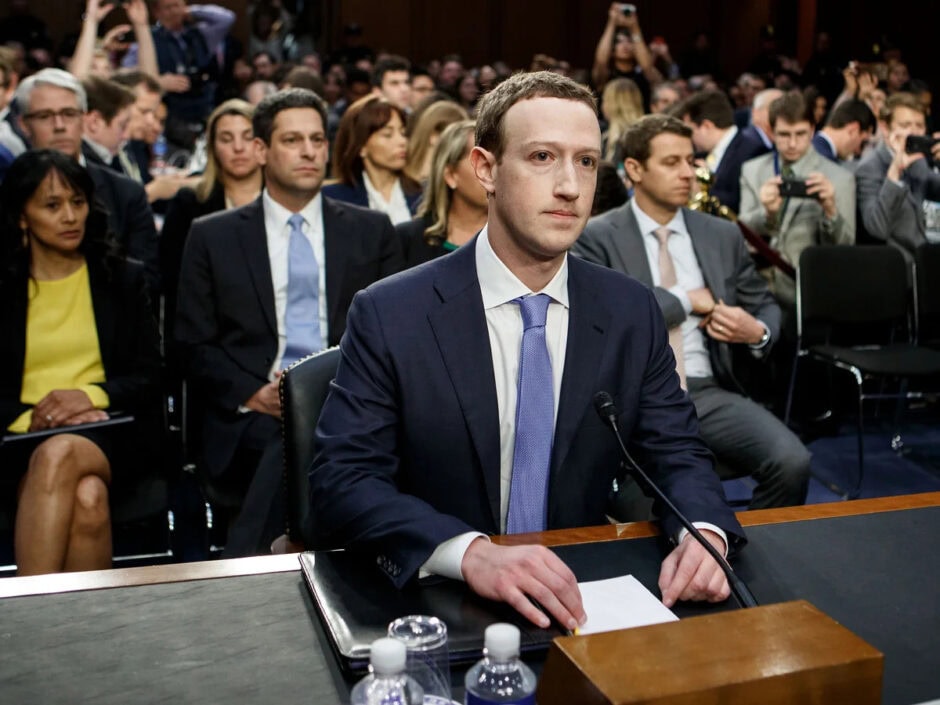
On March 21, 2018, Mark Zuckerberg sat down in front of a camera and delivered one of the most carefully worded apologies in corporate history.
“I’m sorry,” he said. “This was a major breach of trust.”
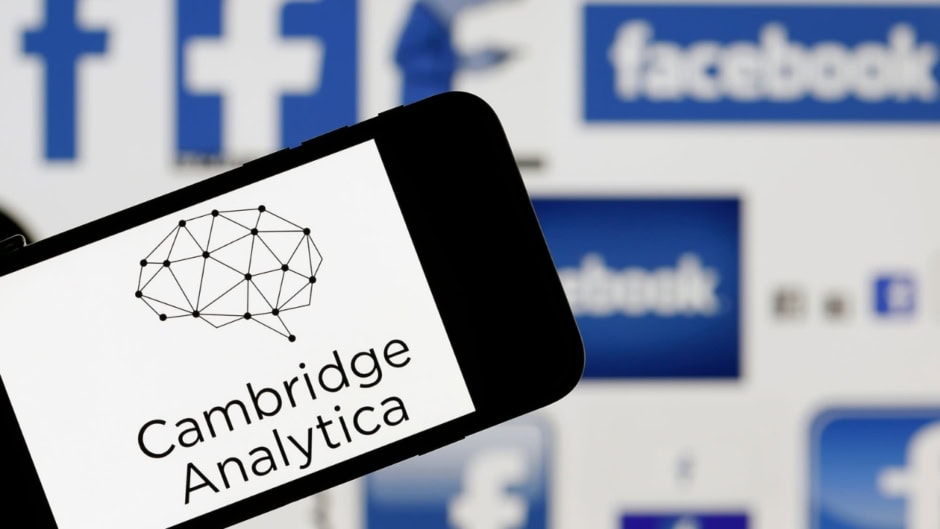
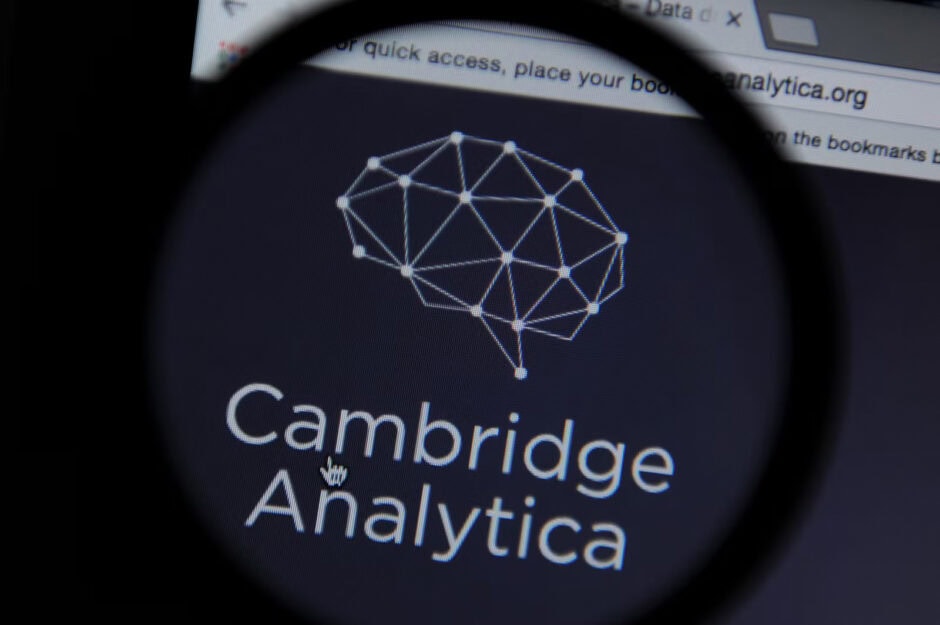
The statement came days after explosive reporting by The Guardian and The New York Times revealed that political consulting firm Cambridge Analytica had harvested the personal data of up to 87 million Facebook users without their consent. The data was used to build psychological profiles and micro-target voters during the 2016 US presidential election and the Brexit referendum. The original reports estimated 50 million affected profiles. Facebook later revised that figure upward to 87 million, with 70.6 million of those users located in the United States alone. California was the hardest-hit state with 6.7 million impacted users, followed by Texas at 5.6 million and Florida at 4.3 million.
The scandal exposed the fundamental business model of the world’s largest social platform: Facebook had been treating user data as a resource to be extracted, monetized, and handed over to third parties with shockingly little oversight.
The Mechanics of the Breach
The data harvesting traced back to a decision Facebook made in 2010, when it launched a platform called Open Graph that gave third-party apps sweeping access to user information. In 2014, Cambridge University researcher Aleksandr Kogan created a personality quiz app called “This Is Your Digital Life” through his company Global Science Research.
Around 270,000 people were paid small amounts to take the quiz. Because of Facebook’s lax API rules at the time, the app could also pull data from the quiz-takers’ friends, without those friends’ knowledge or consent. This “friend permission” loophole allowed Kogan to amass data on tens of millions of people. He then shared it with Cambridge Analytica, which used it to build psychographic profiles by pairing personality quiz results with Facebook activity data like page “likes,” location, birthdays, and in some cases even timeline posts and messages.
Facebook had changed its API rules in 2014 to restrict this kind of third-party access, but critically, the changes were not retroactively enforced. Kogan never deleted the data he had already collected.
Cambridge Analytica then matched these psychological profiles against US voter records to identify which individuals might be susceptible to specific kinds of political messaging. The firm’s work was funded by Republican megadonor Robert Mercer and co-founded by Steve Bannon, who would later become Donald Trump’s chief strategist. The company’s services were used by Ted Cruz’s presidential campaign before being deployed on the Trump campaign.
The Whistleblower
The story might never have surfaced without Christopher Wylie, a British-Canadian data scientist who had served as Cambridge Analytica’s Director of Research from 2013 to 2014. Wylie was just 24 when he helped design the data harvesting operation, but he grew increasingly alarmed by how the tools he built were being weaponized.
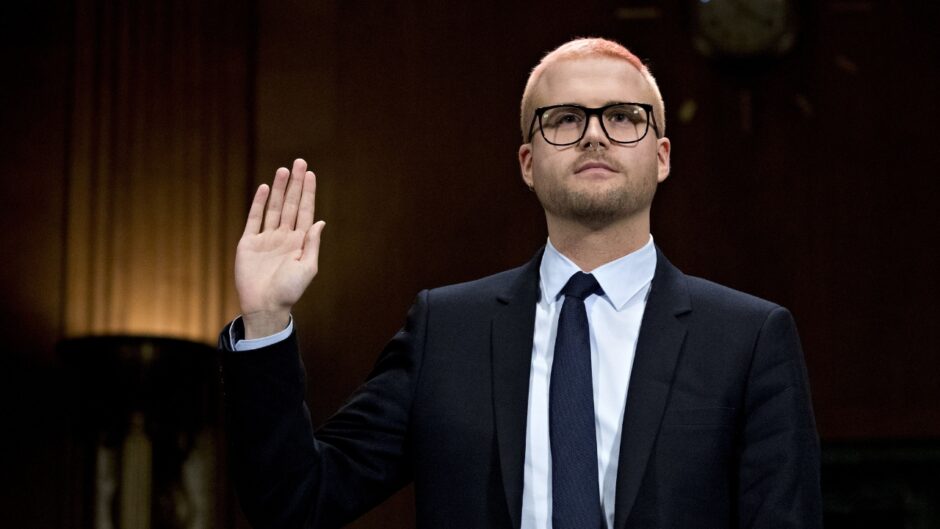
Wylie later described what he had created in stark terms, calling it Steve Bannon’s “psychological warfare tool.” In testimony before both the US Congress and the UK Parliament, he explained that the techniques Cambridge Analytica used to identify and target psychologically vulnerable voters were originally developed for military-grade information operations, the kind of counter-extremism strategies used against ISIS recruitment, but repurposed for domestic elections. Instead of discouraging radicalisation, the tools were used to encourage it, targeting people prone to conspiratorial thinking and paranoid ideation and feeding them content designed to exploit those tendencies.
Guardian journalist Carole Cadwalladr had tracked Wylie down via LinkedIn in early 2017 and spent a year persuading him to go public. When the story was ready, Cadwalladr brought in Channel 4 News and The New York Times due to legal threats from Cambridge Analytica against The Guardian and The Observer. The articles were published simultaneously on March 17, 2018.
Just days before the story broke, Channel 4 News aired undercover footage of Cambridge Analytica CEO Alexander Nix and other senior executives boasting about using sex workers, bribes, and disinformation to help political candidates win elections around the world. The footage was devastating. Nix was suspended immediately.
Wylie was named one of TIME magazine’s 100 Most Influential People of 2018 and later wrote a bestselling book, Mindf*ck, which The Guardian described as an invaluable primer on psychological warfare. His revelations were also featured in the Netflix documentary The Great Hack. Facebook responded to his whistleblowing by suspending his accounts across Facebook, Instagram, and WhatsApp.
The Fallout
When the story broke in March 2018, the backlash was immediate and brutal. By March 26, just over a week after the initial reports, Facebook’s stock had fallen roughly 24%, wiping out approximately $134 billion in market value. The Federal Trade Commission opened an investigation. Zuckerberg was hauled before Congress for nearly five hours of questioning. The EU Parliament grilled him separately, with lawmakers publicly stating they were unsatisfied with his answers. The hashtag #DeleteFacebook trended worldwide. Even WhatsApp co-founder Brian Acton, whose company Facebook had acquired for $19 billion, publicly joined the movement, declaring it was time to delete the platform.
Behind the scenes, the damage was even deeper. WhatsApp co-founder Jan Koum resigned from Facebook in April 2018 after clashing with the company over data privacy, encryption, and the app’s business model. Instagram’s founders left in September after their own disputes with Zuckerberg. Facebook was confirmed to be under investigation by the FBI, SEC, FTC, and Department of Justice simultaneously. The governments of India and Brazil demanded that Cambridge Analytica explain how their citizens’ data was used in political campaigns.
The FTC investigation culminated in July 2019 with a $5 billion settlement, the largest fine ever imposed on any company for privacy violations and one of the largest penalties ever assessed by the US government for any violation. The FTC also imposed a 20-year settlement order requiring Facebook to completely restructure its approach to privacy, from the board level down, with independently nominated compliance officers, quarterly certifications, and mandatory privacy assessments by independent third parties. Zuckerberg himself was required to personally certify compliance.
Separately, the SEC extracted a $100 million penalty for misleading investors. Facebook had disclosed in its public filings that user data “may be improperly accessed,” despite knowing since late 2015 that Cambridge Analytica had already done exactly that. The SEC alleged the company sat on that knowledge for more than two years without correcting its disclosures.
For Cambridge Analytica itself, the consequences were terminal. The firm filed for Chapter 7 bankruptcy in May 2018. CEO Alexander Nix was banned from the industry. The FTC sued the company and settled separately with both Nix and Kogan, requiring them to destroy all personal data collected through the app and restricting their future business dealings. The scandal also destroyed the reputation of SCL Group, Cambridge Analytica’s British parent company, a military contractor that specialized in information operations for clients including the UK Ministry of Defense and the US Department of Defense.
The Regulatory Earthquake
The scandal forced a reckoning that reshaped the entire technology industry’s regulatory landscape. The European Union accelerated work on the General Data Protection Regulation, which took effect in May 2018 and became the global gold standard for privacy law. The GDPR gave European citizens the right to access, correct, and delete their personal data, and imposed fines of up to 4% of annual global revenue for violations. In the United States, the scandal fueled the creation of the California Consumer Privacy Act, signed into law in June 2018, and energised broader calls for federal privacy legislation and antitrust action against Big Tech. The EU later passed the Digital Services Act and Digital Markets Act, both of which drew directly on the lessons of the Cambridge Analytica era.
The scandal also transformed how platforms handled political advertising. Twitter banned political ads entirely. Google reduced the targeting options available to political advertisers. Facebook introduced transparency tools allowing users to see all ads a campaign was running and gave people the option to opt out of political advertising altogether.
In 2022, Facebook settled a class-action lawsuit related to the scandal for $725 million.
The Cultural Shift
But the deepest impact was cultural. March 2018 marked the moment the public finally understood that “free” social media was never truly free. Users were the product. Their likes, shares, comments, location data, and even the time they spent hovering over a post were being harvested, profiled, and sold. The illusion that social media was just a fun way to stay in touch with friends shattered.
The numbers reflected this shift. In the months following the scandal, likes, posts, and shares on Facebook decreased by nearly 20%. A survey found that only 41% of Facebook users still trusted the company. Yet the behavioural response was complicated. Despite widespread anger, nearly half of those surveyed said they would not actually reduce their usage. Zuckerberg himself noted that he did not see “a meaningful number” of account deletions. The platform’s user base continued to grow, even as engagement declined.
Researchers studying user reactions found that most people did not delete their accounts despite the scandal. Instead, the response was more subtle: widespread confusion about privacy settings, reluctance to engage with “endless” data breach notifications, and a general sense of resignation. Online privacy felt confusing and overwhelming, and many users lacked the knowledge to fully understand the risks, particularly those involving their social networks.
The Unfinished Legacy
By 2026, the long-term legacy is still unfolding. Facebook, now Meta, has spent billions on privacy infrastructure, created an independent Privacy Committee on its board, and submitted to years of external compliance monitoring. But critics argue the $5 billion fine amounted to roughly 23 days of Facebook’s profit at the time and that the stock climbed 22% in the year following the settlement. The FTC did not dismantle the surveillance infrastructure that made Cambridge Analytica possible. It priced it.
The Cambridge Analytica case became the template for future scandals involving TikTok’s data practices, Google’s ad targeting, and the training of AI systems on user data without meaningful consent. It also accelerated the rise of privacy-first alternatives like Signal, Mastodon, and Bluesky.
Perhaps most importantly, it changed how lawmakers treat technology companies. Governments worldwide began approaching tech platforms not as innocent conduits for communication but as powerful institutions that require oversight comparable to public utilities or financial institutions.
The scandal also exposed the uncomfortable truth that many of us still live with: our digital lives are far more transparent and manipulable than we realised. The tools that connect us can also divide us, radicalise us, and profit from our vulnerabilities. The psychological profiling capabilities that Cambridge Analytica pioneered have not disappeared. They have been absorbed into the advertising infrastructure of the platforms themselves, operating at vastly greater scale with the help of artificial intelligence.
Eight years later, Zuckerberg’s apology feels both historic and insufficient. The breach of trust was real, and the repair work continues. The Cambridge Analytica scandal did not just damage Facebook. It permanently altered the public’s relationship with Big Tech and set the stage for the privacy, regulation, and accountability debates that still dominate technology policy in 2026.