TikTok has quietly rolled out a hidden game inside its direct messages. The feature is live globally and works in both one-on-one and group chats. TikTok confirmed the launch to TechCrunch on March 31, 2026.
To play, you send a single emoji in any chat and tap on it. A small link appears reading “tap emoji to play emoji game.” Once you tap, a green screen loads with animated alligators. You bounce upward across them using your finger.
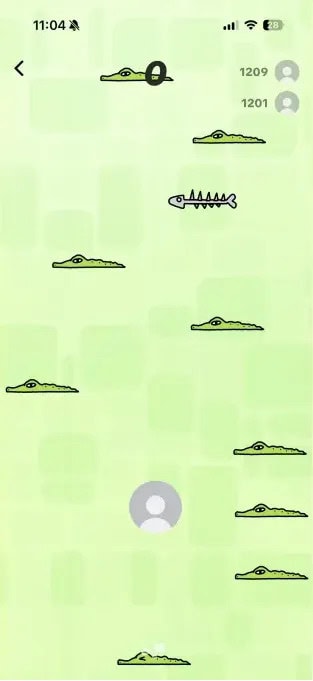
The emoji you sent floats across the screen and gives you a speed increase when you land on it. Alligators with propellers do the same. Skeleton alligators end your game immediately. Broken alligators disappear after one landing, so you need to move fast. Your score and your opponent’s high score sit in the top-right corner throughout. According to Fast Company, one tester reached a high score of 369 miles after a few attempts.
TikTok described the feature as an easter egg designed to add fun and competition to messaging. The idea is not new. Instagram introduced a similar hidden emoji game in DMs about two years ago. In Instagram’s version, you move a paddle to keep an emoji bouncing. Meta confirmed in January 2026 it is also prototyping a pop-a-shot basketball game inside Threads chats. Threads also released its basketball game to coincide with the 2026 NBA All-Star Game, held on February 15 at Intuit Dome in Los Angeles.
LinkedIn has gone further. The platform now runs seven in-app puzzle games, the latest being Patches, a spatial logic puzzle based on the Japanese game Shikaku. LinkedIn claims millions of users play daily, with 86% returning the next day, according to PocketGamer.biz. The company hired a full-time “principal puzzlemaster,” Thomas Snyder, a three-time world Sudoku champion, to design its puzzles. Snyder told Yahoo News he has made more than 10,000 puzzles throughout his career.
The New York Times used a similar strategy when it acquired Wordle in 2022, crediting the game for bringing millions of new subscribers into its ecosystem. Michael Pachter, a games-industry analyst at Wedbush Securities, told Yahoo News the strategy works because solving puzzles and beating friends validates the time spent.
The bigger question is about engagement data. When you spend time playing a game inside TikTok or LinkedIn, the platform counts it toward your total time in the app. But you are not scrolling the feed. You are not seeing ads or sponsored content. Platforms report these combined numbers to advertisers without separating game activity from content interaction. This creates a gap between reported engagement and meaningful ad exposure. No regulator, including the FTC, currently requires platforms to break these numbers down separately.
For TikTok, the incentive is straightforward. More time in the app, regardless of what you are doing, translates to stronger retention metrics. The game is already live for users in Pakistan and everywhere else. Open a DM, send an emoji, and tap it.