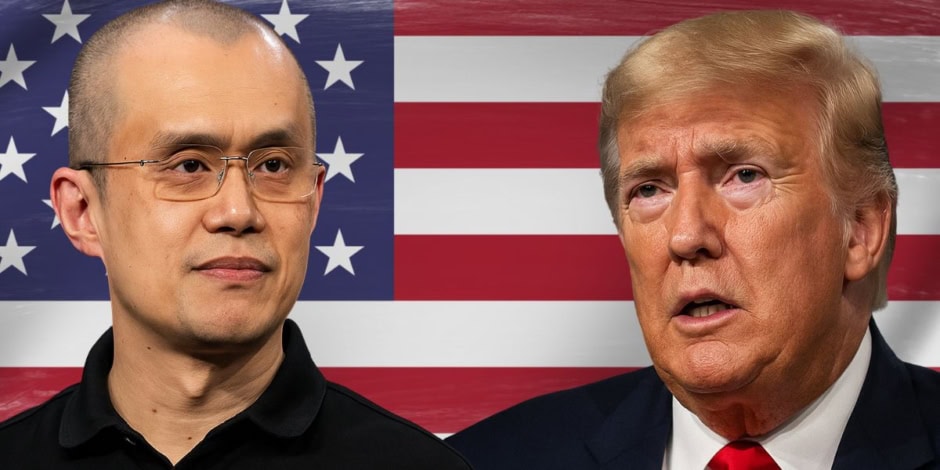
On October 23, 2025, U.S. President Donald Trump issued a full pardon for Changpeng Zhao, the billionaire founder and former CEO of cryptocurrency exchange Binance, wiping away his 2023 conviction for violating anti–money-laundering laws.
The decision immediately set off a firestorm across political, legal, and crypto circles, with some hailing it as a pro-innovation move and others condemning it as an example of “rules for some, not for all.”
A Controversial Reversal
Zhao’s conviction had stemmed from charges that Binance failed to maintain proper anti-money-laundering controls. He served a four-month sentence and paid a $50 million fine, while Binance itself paid $4.3 billion in penalties, one of the largest corporate fines in U.S. history.
The White House defended the pardon as part of what it called Trump’s “reset” of the previous administration’s hostility toward cryptocurrency innovation. Supporters claim Zhao’s rehabilitation and cooperation with regulators justified clemency.
But many lawmakers, regulators, and ethicists see the pardon differently. Critics argue that it undermines the principle of accountability and signals preferential treatment for the ultra-wealthy.
As Lord John Alderdice, a Liberal Democrat peer and former Northern Ireland assembly speaker said:
It is almost as if the normal rules do not apply now to this political elite.
The Crypto and Political Fallout
The decision also reignited scrutiny of Binance’s connections to political and financial networks. Some reports link Zhao and Binance affiliates to crypto ventures associated with members of the Trump family.
According to analysts, the pardon could reopen Binance’s path to U.S. markets, but also invite tighter congressional oversight.
Senator Elizabeth Warren, among others, warned that the move “sends exactly the wrong message” about how the U.S. handles corporate wrongdoing.
As Nazanin Mojtabai, a senior global policy fellow at the Council on Foreign Relations said:
They believe one set of rules applies to them, another set to you and me. That is the great risk of undermining democracy.
Zhao’s Response and Public Reaction
In a post on X (formerly Twitter), Zhao expressed gratitude to President Trump, promising to “contribute to a new era of crypto freedom and innovation.” Binance issued a brief statement emphasizing transparency and global compliance moving forward.
Public reaction has been sharply divided. Crypto enthusiasts celebrated what they saw as vindication for Zhao, while governance advocates called it “a dangerous precedent” that blurs the line between financial power and political influence.
The Broader Implications
The pardon adds fuel to a larger debate about data ownership, digital finance regulation, and political favoritism. In an era where cryptocurrencies are reshaping global markets, critics fear such decisions weaken enforcement credibility.
International regulators are also watching closely. European officials have already hinted at revisiting Binance’s operational approvals, while Asian markets are weighing new disclosure requirements for crypto exchanges tied to political entities.