Buying a new smartphone or laptop in Pakistan has never been more expensive. Tech consumers are currently facing unprecedented price hikes across all electronics. Devices that were once affordable are now luxury items. Many people wonder why these costs are spiralling out of control. Let’s break down exactly why mobile and laptop prices in Pakistan are soaring in 2026.

The Global AI Boom & Middle East Conflict
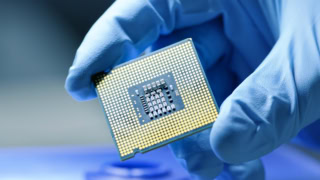
First, we must look at the global semiconductor industry. Currently, artificial intelligence is dominating the tech world. Tech giants are heavily investing in AI data centres. Therefore, manufacturers are prioritising high-end AI chips over standard consumer components. As a result, the global market is facing a severe shortage of memory chips, specifically DRAM and NAND. Memory prices are expected to rise by up to 60% this year. Consequently, the manufacturing cost for entry-level smartphones has jumped by 25%. Companies are simply passing these increased costs directly to buyers.
Meanwhile, global logistics are in absolute chaos. The ongoing war in the Middle East has heavily disrupted the Strait of Hormuz. Because of this dangerous situation, shipping companies are rerouting their vessels. Freight costs have spiked by 20% to 25% on major routes. Furthermore, war-risk insurance premiums for cargo ships have skyrocketed. These inflated shipping costs apply a massive premium to all electronics imported into Pakistan. Interestingly, Pakistani ports like Karachi are seeing record cargo surges as ships seek safe havens. However, this transhipment boom clogs local ports and delays domestic imports. This creates artificial scarcity, which drives retail prices even higher.
Domestic Inflation, Heavy Taxes & the 5G Dilemma
Domestic economic factors also play a massive role. In March 2026, Pakistan’s inflation rate hit 7.3%. Additionally, the government recently raised fuel prices drastically due to the global oil crisis. Petrol now costs Rs. 321.17 per litre, and diesel costs Rs. 335.86. Consequently, domestic transport and operational costs for tech distributors have multiplied. Moreover, the State Bank of Pakistan continues to maintain a high policy rate of 10.5%. This makes financing imported inventory extremely expensive for local retailers.
Furthermore, the government’s own fiscal policies are squeezing consumers. The newly unveiled Mobile and Electronic Devices Manufacturing Policy 2026-33 includes a strict ban on the import of used mobile phones. Previously, imported refurbished phones offered an affordable alternative for budget-conscious buyers. Now, buyers must purchase locally assembled phones. However, local assemblers rely completely on imported memory chips. Since these chips are currently 20% to 30% more expensive globally, local phone prices are climbing. Additionally, the government continues to enforce a heavy 18% standard sales tax on smartphones, which suppresses local demand.
Ironically, this price crisis directly clashes with Pakistan’s latest technological leap. In March 2026, the government successfully raised $507 million in its first 5G spectrum auction. Major operators like Jazz, Ufone, and Zong acquired new frequencies. However, 5G smartphones require advanced and expensive components. Because the government banned affordable used phones, accessing 5G technology is now restricted primarily to wealthy buyers.
Current 2026 Mobile & Laptop Prices Reality
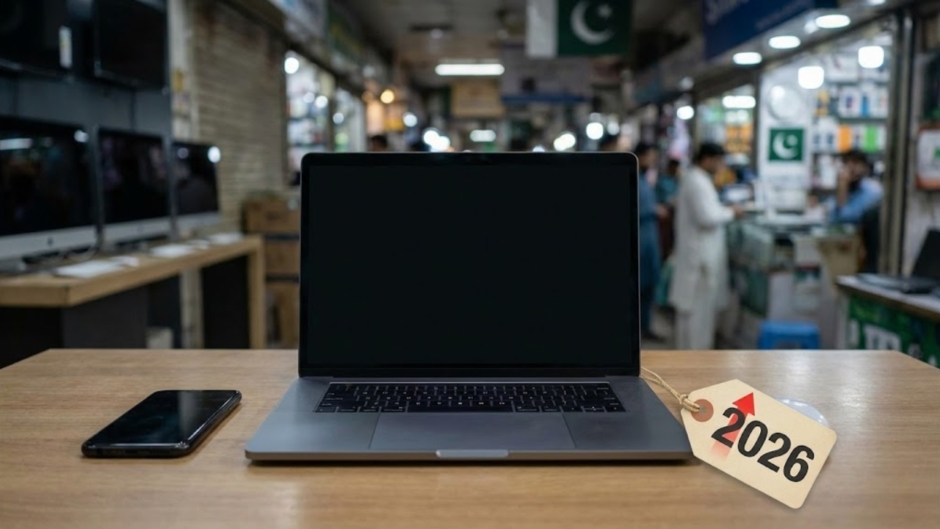
As a result of all these factors, retail prices are staggering. Today, entry-level laptops cost between PKR 99,000 and 150,000. Mid-range laptops easily cross the 150,000 mark. Meanwhile, the smartphone market is equally expensive.
| Device Category | Model Example | 2026 Price (PKR) |
|---|---|---|
| Entry-Level Mobile | Samsung Galaxy A07 (128GB) | 38,500 |
| Mid-Range Mobile | Samsung Galaxy M56 | 82,999 |
| High-End Mobile | OnePlus 13 (Non-PTA) | 223,999 |
| Flagship Mobile | Samsung Galaxy S26 Ultra | 424,999 |
In short, a perfect storm of global component shortages, regional wars, and restrictive local policies is driving the current price hikes. The global tech industry is prioritising AI, while maritime conflicts make shipping incredibly expensive. Locally, high taxes and import bans offer no relief. Until global memory production stabilises or local taxation policies change, Pakistani consumers will continue to pay a heavy premium for their digital devices.