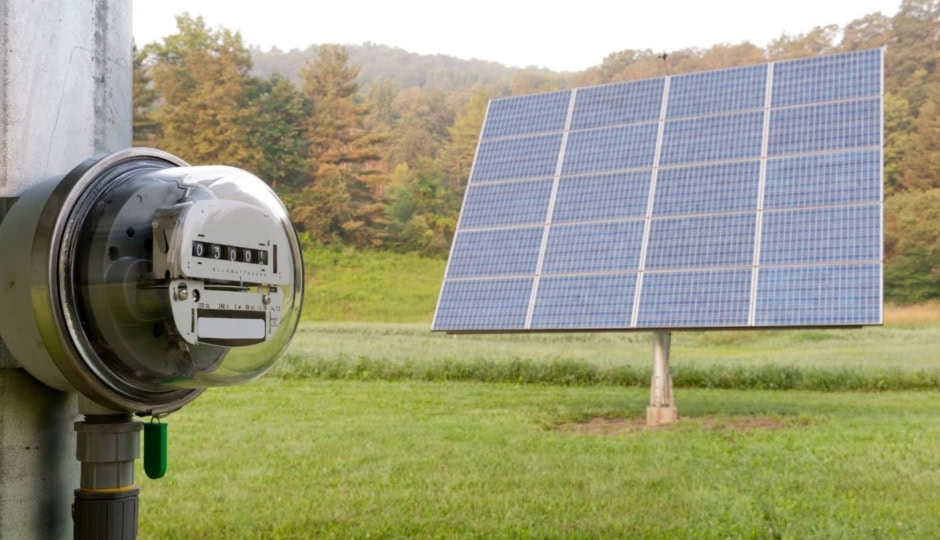
ISLAMABAD: Pakistan is set to significantly boost its renewable energy footprint, with 2,633 megawatts expected to be added to the national grid through solar net metering alone in the 2025–26 fiscal year, according to the Annual Plan 2025–26.
Although the country already has surplus installed generation capacity, a total of 2,800 MW will be added to the grid. The vast majority, 2,633 MW, will come from net metering systems, reflecting a growing shift toward decentralized, clean energy production.
By June 2026, Pakistan’s total installed generation capacity is projected to hit 44,626 MW. At that point, the energy mix will see renewables contributing about 50.5%, with sources like hydropower, wind, solar (including net metering), and bagasse making up half the supply. Thermal sources such as coal, natural gas, RLNG, oil, and nuclear will cover the remaining 49.5%.
Rise in Net Metering Consumers
The number of net metering users is projected to increase by 197,655, playing a vital role in achieving Sustainable Development Goals (SDGs). This growth will help stabilize the grid and expand the share of clean energy in the national mix.
The Public Sector Development Programme (PSDP) will allocate Rs161.6 billion to the power sector for FY26. This includes 63 projects funded through both government budgets and self-financed initiatives by power companies (excluding IPPs).
The investment plan includes transmission upgrades, access expansion, and renewable energy development—all aimed at supporting the SDGs by enhancing electricity access and reliability.
Transmission and Grid Enhancements
Pakistan’s transmission sector will benefit from major capacity upgrades:
- 5,550 MVA (500kV)
- 4,710 MVA (220kV)
- 1,300 MVA (HVDC)
Transmission lines will be extended by:
- 170 km (500kV)
- 355 km (220kV)
- 137 km (±660kV)
Additionally, one new 765kV grid station and two 220kV stations will be built to enhance network efficiency.
Expanding Electricity Access
To improve nationwide electrification, the plan includes:
- 15,352 villages to be electrified
- 1.861 million new connections to be added
- 1,244 km of 132kV transmission lines to be extended
- 132kV grid capacity to be boosted by 2,490.7 MVA
These steps will improve electricity access in both urban and rural areas.
Uraan Pakistan and Clean Energy Goals
The government’s Uraan Pakistan strategy is central to enhancing energy security, sustainability, and efficiency. Aligned with SDG targets and Pakistan’s climate commitments, the initiative promotes clean and resilient infrastructure.
Other guiding frameworks include:
- National Electricity Plan (2023–27), targeting diversification, resilience, affordability, self-sufficiency, financial viability, and sustainability
- ARE Policy 2019, which sets a 30% renewables target by 2030
To modernize the grid, battery energy storage systems and 400 MVAR reactive power devices, including FACTS, will be installed across the NTDC network.
These measures align with Uraan’s focus on building a flexible and future-ready power infrastructure, ensuring Pakistan’s smooth transition to a clean energy future.