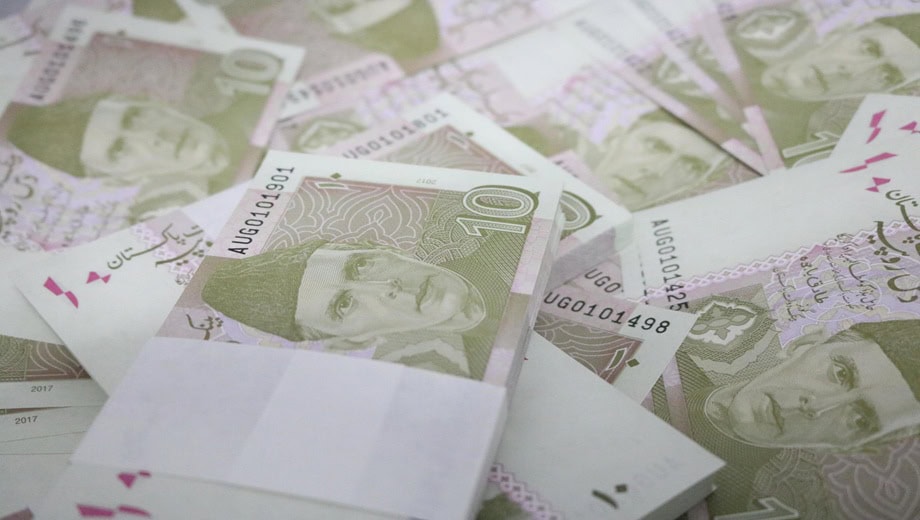
The federal government is considering a plan to permanently replace the Rs 10 note with a coin, a move aimed at saving billions of rupees over the next decade. The proposal is under review by the federal cabinet and, if approved, would see the printing of the ten-rupee note gradually phased out over the next three years.
The plan is based on a detailed currency management report prepared by the State Bank of Pakistan and the Pakistan Security Printing Corporation, and presented to the cabinet by a high-level committee led by the finance minister.
According to the report, the Rs10 note has a very short life, lasting only six to nine months on average due to heavy use. In contrast, a ten-rupee coin can remain in circulation for 20 to 30 years. Despite its low value, the Rs 10 note makes up about 35 percent of all banknotes printed each year, creating a major financial burden.
Officials estimate that printing, replacing, and managing these notes costs between Rs 8 and Rs 10 billion annually. By shifting to coins, the government could save up to Rs 40 to Rs 50 billion over the next ten years, even though coins cost more to produce initially.
The report notes that coins are far more durable and do not need frequent replacement, making them a more practical option in the long run. The central bank is expected to reduce the printing of Rs 10 notes in phases, following legal requirements under the State Bank Act.