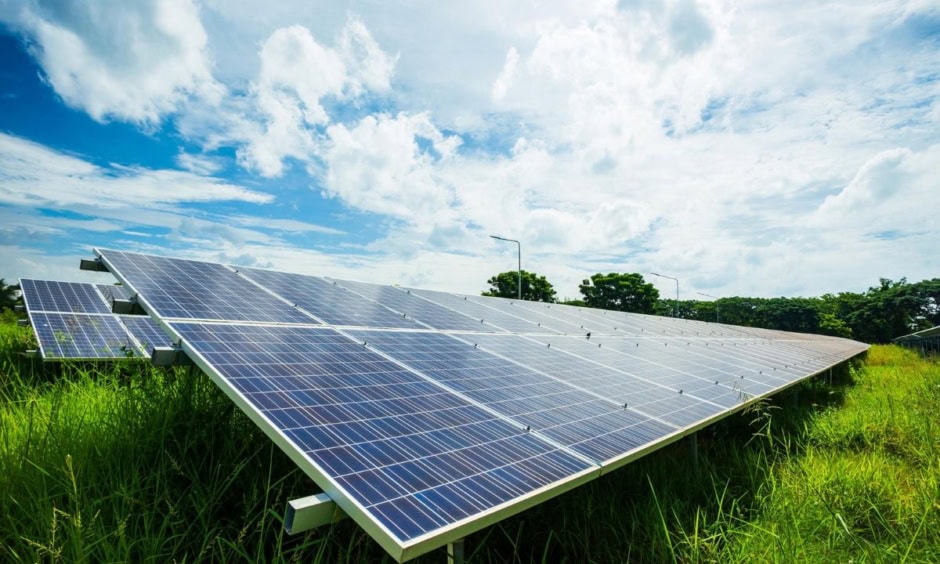
The rapid adoption of rooftop solar panels in Pakistan has helped shield the country from price spikes and supply disruptions following tensions around the strategically important Strait of Hormuz.
An analysis by Renewables First and the Centre for Research on Energy and Clean Air found Pakistan would face far higher energy price shocks without its growing distributed solar capacity.
The study highlighted that since 2018, Pakistan avoided more than $12 billion in oil and gas imports by relying on rooftop solar to meet domestic energy demand.
Financial and structural benefits
This reduction in imports represents not only fiscal relief but also a structural decrease in geopolitical risk exposure, a level of protection that conventional LNG contracts could not deliver.
At current market rates, Pakistan could save an additional $6.3 billion in energy costs by the end of 2026 if the solar expansion continues, the study claimed.
Hormuz remains crucial
Despite reduced dependence, the Strait of Hormuz remains critical for Pakistan, which ranked third globally in LNG dependence and fifth for oil in 2024 on Hormuz-transiting shipments.
Any prolonged closure of the strait would still send immediate shocks through the country’s energy system, although solarisation is steadily reducing the need for imported fuel.
Rooftop solar reduces LNG demand
As rooftop panels expand across homes, farms, and factories, Pakistan’s demand for imported LNG has fallen, prompting diversions of some long-term shipments to international markets.
The government has also renegotiated contracts, reflecting how solar-driven displacement is lowering the need for imported energy, which has helped prevent load-shedding during peak hours.
Government measures and solar impact
Recent government briefings revealed that Pakistan could run out of LNG by mid-April due to suspended supplies from Qatar, but rooftop solar continues to provide essential energy security.
Rabia Babar, energy data manager at Renewables First, said the solar revolution, built largely on rooftops, is proving to be one of Pakistan’s most effective energy security strategies today.
Consumer-led energy transition
The study credited both market forces and consumers for the solar surge, while also noting government support through zero-rated taxes on solar PV imports, which increased capacity from under 1GW in 2018 to over 51GW by early 2026.
This surge represents one of the fastest consumer-led energy transitions on record, reducing oil and gas imports by 40% between 2022 and 2024 and lowering electricity costs for millions.
Regional comparison
Compared to other Asian states like China, India, and South Korea, Pakistan is less exposed to Hormuz disruptions due to solar adoption, which acts as a hedge against LNG and oil shocks.
Lauri Myllyvirta, co-founder of the Centre for Research on Energy and Clean Air, described Pakistan’s rooftop solar as an insurance policy against escalating energy crises and geopolitical tensions.
The study concluded that distributed solar offers the lowest-cost path to energy access for low- and middle-income households, and every additional gigawatt deployed strengthens Pakistan’s resilience to global energy shocks.