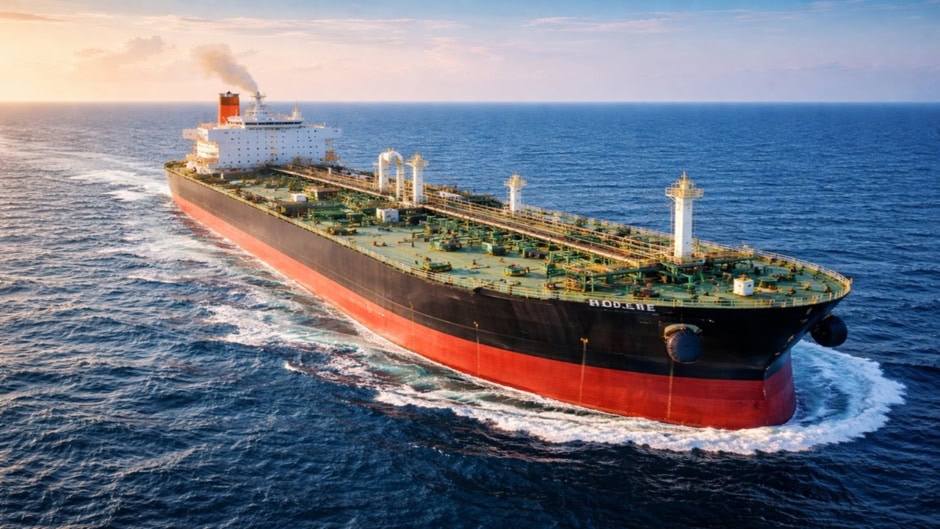
Pakistani oil tanker carrying around 80 million liters of crude oil has reached the country’s maritime zone after crossing the Strait of Hormuz, marking the first such journey since tensions in the Middle East disrupted the key shipping route. The vessel is expected to dock in Karachi on Wednesday.
The tanker, MT Karachi, travelled through the Gulf of Oman and entered Pakistan’s waters after receiving special clearance to pass through the strategically sensitive strait. The route had been affected following regional escalation involving Iran, the United States, and Israel, raising concerns over global oil supply lines.
Officials said the vessel was allowed to use Iranian territorial waters during its transit. The Pakistan Navy escorted the tanker throughout the journey to ensure safe passage through the high-risk corridor.
The ship had departed from Das Island in the United Arab Emirates on February 28. According to international reports, the payment for the crude oil shipment was made in Chinese yuan, reflecting a shift in how energy trade is being managed in times of geopolitical uncertainty.
The development comes at a time when the government is closely monitoring fuel supplies. Prime Minister Shehbaz Sharif chaired a high-level meeting and directed authorities to strengthen the petroleum supply chain and remain prepared for any emergency situation.
Officials briefed the meeting that Pakistan currently has sufficient fuel stocks to meet demand. Supplies for March have been secured, with arrangements in place extending into mid-April. Authorities are also conducting daily reviews of reserves to ensure stability.
The government has already implemented energy-saving measures, and compliance is being monitored. The Intelligence Bureau is expected to submit regular reports on the situation, while institutions have been instructed to stay alert amid the evolving regional crisis.
Beyond fuel, officials said the country also holds adequate stocks of essential medicines, and systems are in place to support uninterrupted government operations if needed.