Snapchat is retiring the standalone Bitmoji app on June 30, 2026, folding all of its features into the main Snapchat experience. Users who want to continue creating and sharing Bitmoji avatars will need to do so through Snapchat going forward.
Snap acquired Bitmoji creator Bitstrips in 2016 and has since turned the cartoon avatars into one of Snapchat’s most recognisable features. Over 2.7 billion Bitmoji avatars have been created to date, and the company reports that 320 million people engage with the characters every day. But with virtually all Bitmoji interaction now happening inside Snapchat itself, the company no longer sees a reason to maintain a separate app.
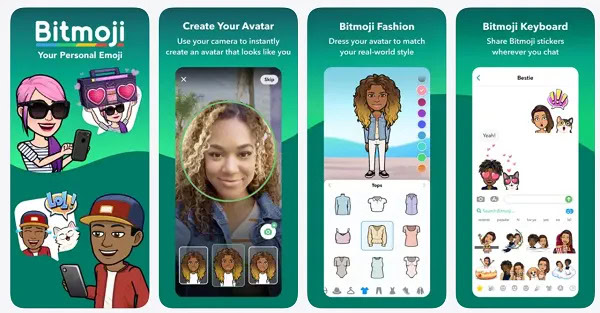
Users will still be able to share Bitmoji stickers through Snapchat, and depending on their device, may also be able to use Bitmoji through a keyboard extension or in iOS Messages via the Snapchat iMessage extension. Snap is advising users to link their Bitmoji information to Snapchat before the shutdown to ensure their digital character carries over.
The move is part of a broader effort to streamline Snap’s operations and cut costs as the company prepares for the launch of its AR glasses, which represent its next major product bet. Consolidating Bitmoji into the main app eliminates the overhead of maintaining a separate product while keeping the feature itself intact.
Despite the app shutdown, Snap has been actively investing in the Bitmoji experience within Snapchat. In November, the company brought back its classic 2D Bitmoji style after a user petition gathered over 100,000 signatures. In February, it added an AI-powered Lens that generates a Bitmoji version of the user’s actual appearance. And last October, Snap launched an early version of “Bitmoji Plaza,” a 3D digital town centre where users can interact with each other’s avatars.
If 2026 is the new 2016, we have come full circle with Bitmoji. The closure of the standalone app marks the end of Bitmoji as an independent product, but not of the feature itself, which will still be available in the Snapchat app. For Snap, it just means fewer apps to maintain, the same daily engagement, and a cleaner path toward the hardware-focused future the company is building toward.