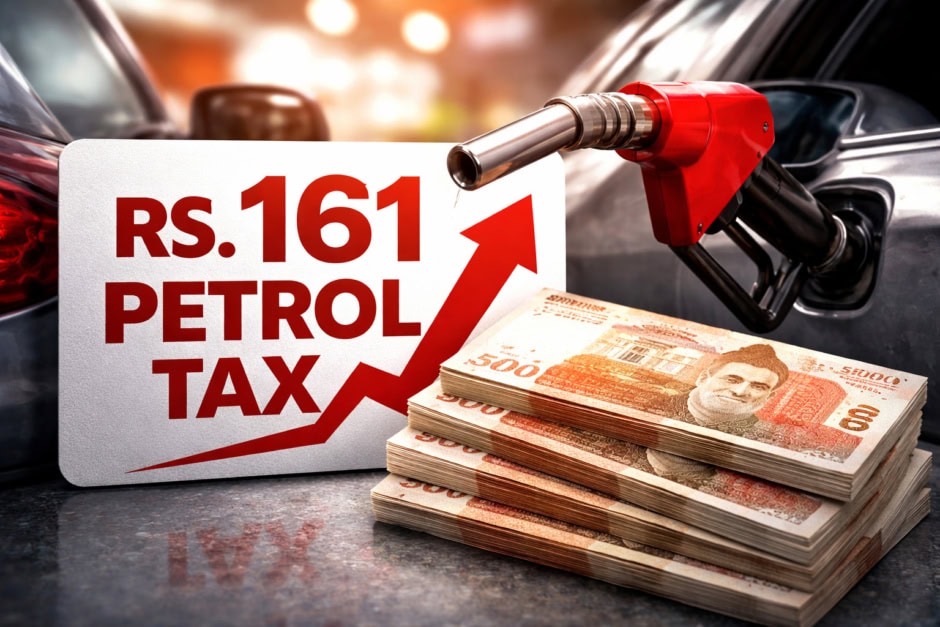
The Federation of Pakistan Chambers of Commerce & Industry has called for the immediate abolition of the Rs. 161 per litre Petroleum Development Levy (PDL), warning that soaring fuel prices pose a serious threat to Pakistan’s economy.
FPCCI President Atif Ikram Sheikh said the sharp rise in petroleum prices could lead to de-industrialization, disrupted supply chains, and rising inflation, describing the situation as an existential challenge for businesses. He noted that petrol prices have surged by Rs. 137.23 to Rs. 458.40 per litre, marking a 42.7% increase, while high-speed diesel (HSD) has jumped Rs. 184.49 to Rs. 520.35 per litre, a steep 55% rise. With earlier increases included, total fuel prices have climbed by nearly 77% within a single month.
He stressed that passing such a significant cost burden directly onto consumers and industries without consultation is unsustainable, adding that the sharp rise in diesel prices will severely impact manufacturing and weaken Pakistan’s export competitiveness in global markets.
Senior Vice President Saquib Fayyaz Magoon warned that key sectors of the economy could face severe consequences. He explained that rising fuel costs would push up freight charges, forcing factories to cut production or shut down operations. The agriculture sector, already in a critical harvest phase, could struggle as the cost of operating tractors, tube wells, and harvesters becomes increasingly unaffordable, raising concerns over food security.
He further highlighted that small and medium enterprises (SMEs), which form the backbone of Pakistan’s economy, are likely to face immediate liquidity crises as operational costs surge. The increase in diesel prices is also expected to ripple through supply chains, raising the cost of essential goods, including food, medicines, and raw materials.
The FPCCI also criticized proposed targeted subsidies, calling them ineffective and insufficient to offset the scale of the current crisis. The body has urged the government to initiate urgent dialogue with the Ministry of Finance and Ministry of Petroleum, warning that failure to take immediate action could lead to mass bankruptcies, job losses, and broader socio-economic instability.