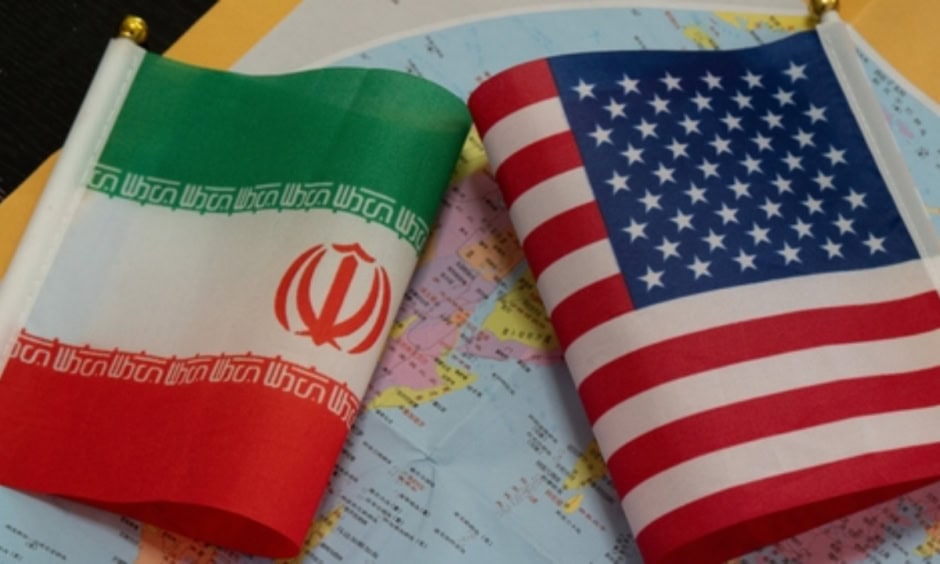
The United States and Iran are reportedly close to finalizing a major diplomatic agreement that could extend the current ceasefire for 60 days, reopen the Strait of Hormuz, and allow Iran to resume oil exports under limited sanctions relief.
According to reports citing officials familiar with the negotiations, both sides are expected to sign a Memorandum of Understanding that would remain valid for 60 days, with an option to extend it if talks continue to progress.
Under the proposed arrangement, Iran would keep the Strait of Hormuz open for international shipping without imposing tolls and would begin removing naval mines to restore safe maritime traffic through the waterway, one of the world’s most critical energy chokepoints.
In return, the United States would ease restrictions on Iranian ports and provide selected sanctions waivers, enabling Iran to return to global oil markets. The framework is described as a “relief for performance” model, meaning sanctions relief would depend on Iran’s compliance with its commitments.
The Strait of Hormuz, located between the Gulf of Oman and the Persian Gulf, handles nearly one-fifth of global oil shipments, making its reopening a key factor in stabilizing global energy markets.
The draft agreement also includes nuclear-related understandings. Iran is expected to assure the US that it will not pursue nuclear weapons, while further negotiations would continue on uranium enrichment limits and management of highly enriched uranium stockpiles.
Despite diplomatic progress, US military forces are expected to remain deployed in the Middle East during the 60-day period, with any withdrawal likely tied to a more comprehensive long-term settlement.
The proposal also reportedly touches on broader regional tensions, including efforts to reduce hostilities involving Hezbollah and Israel.
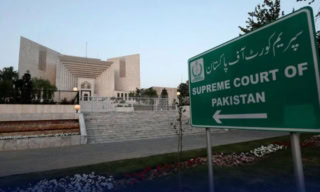
Pakistan is reported to have played a mediating role alongside other regional countries, helping facilitate communication between Washington and Tehran during the latest phase of talks.
However, officials on both sides caution that the agreement is still not final, and last-minute hurdles could delay or derail an official announcement.