The Bureau of Emigration & Overseas Employment has reported a growing demand for skilled healthcare professionals, particularly nurses, in Germany as the country continues to face a critical shortage of medical staff.
According to officials, Germany’s healthcare system is under increasing pressure due to an ageing population and rising life expectancy. The trend has significantly expanded the need for qualified nurses across hospitals, care homes, and other medical facilities.
Experts note that international professionals are now playing a vital role in filling workforce gaps in the German healthcare sector.
Key Nursing Roles in Germany
In Germany, nursing professionals are formally recognized under titles such as Pflegefachfrau, Pflegefachmann, and Pflegefachperson. These roles cover a wide range of responsibilities, including general nursing care, pediatric support, geriatric services, rehabilitation, and palliative care.
Nurses are employed across multiple healthcare settings, including hospitals, nursing homes, outpatient care centers, rehabilitation facilities, and end-of-life care institutions. Their core duties involve patient monitoring, care delivery, and ongoing medical support in both inpatient and outpatient environments.
Qualification and Recognition Requirements
Foreign-trained nurses must complete a formal recognition process before being allowed to practice in Germany. Authorities evaluate international qualifications to determine whether they meet German professional standards.
Where gaps are identified, applicants are required to either pass a knowledge assessment or complete an adaptation training period to achieve equivalence.
Language and Eligibility Criteria
Applicants are generally required to demonstrate German language proficiency at a minimum of B2 level. Additional requirements include medical fitness certification and a certificate of good conduct.
Visa Pathways for Foreign Nurses
Non-EU citizens must obtain a residence permit to work in Germany, as the EU Blue Card scheme does not apply to nursing professions.
However, several alternative pathways are available. These include a visa for qualification recognition and a “recognition partnership,” which allows candidates to begin working while completing formal requirements. To qualify, applicants typically need a recognized qualification, a job offer from a German employer, and at least A2-level German language skills.
Another option is Germany’s “opportunity card,” which enables skilled individuals to enter the country and search for employment under specific conditions.
Growing Global Opportunity
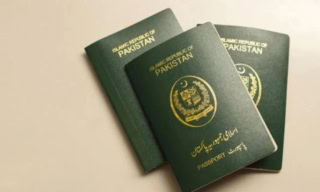
Officials say the development highlights expanding international employment opportunities for healthcare professionals, particularly from countries like Pakistan, where trained nursing staff are increasingly being recruited to meet global demand.