The federal government has increased the tax component on petrol to Rs. 117.41 per liter, marking a nearly 50 percent rise compared to around Rs. 78 per liter recorded in May 2025.
According to official documents, the Petroleum Division raised the petroleum levy on petrol by Rs. 13.91 per liter, increasing it from Rs. 103.50 previously. A similar adjustment was made on high-speed diesel, where the levy increased to Rs. 42.60 per liter from Rs. 28.69.
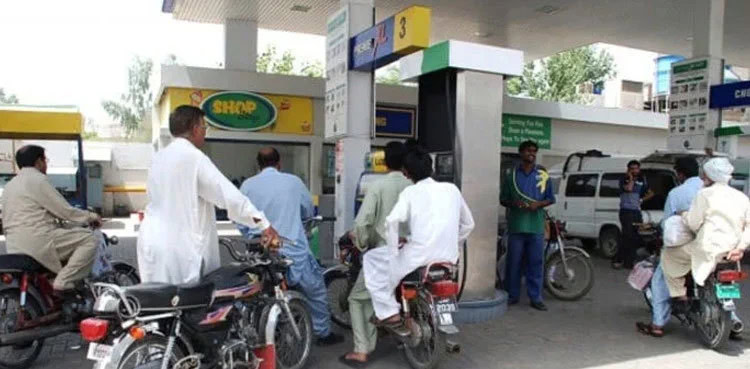
Under the latest fuel price notification effective May 9, 2026, petrol prices increased by Rs. 14.92 per liter to Rs. 414.78, while high-speed diesel prices rose by Rs. 15 per liter to Rs. 414.58.
Despite the increase, international petrol prices remained relatively stable during the week. Based on global benchmarks, petrol’s ex-tax price remained close to Rs. 268 per liter, indicating that most of the domestic price increase came from higher petroleum levies rather than changes in international oil prices.
For diesel, global market trends translated into an estimated increase of roughly Rs. 7.5 per liter, while local consumers are now paying nearly double that amount at fuel stations.
The widening gap between international fuel prices and domestic retail rates suggests the government is increasingly relying on petroleum levies as a major revenue source.
Analysts believe the move may also be linked to efforts to meet fiscal targets under Pakistan’s programme with the International Monetary Fund, which recently approved a $1.2 billion tranche for Pakistan.
Officials note that the Federal Board of Revenue is currently facing a revenue shortfall exceeding Rs. 600 billion during the ongoing fiscal year, increasing pressure on the government to boost non-tax revenue collection.
Economists warn that persistently high fuel prices may continue to fuel inflation through higher transportation costs, food prices, and broader household expenses at a time when consumers are already facing rising electricity tariffs and overall living costs.
The government, however, has not officially linked the latest levy increase to IMF conditions or revenue shortfalls.